IGI Certified 2N Graded Premium Lab Grown Diamonds
The International Gemological Institute (IGI) grades laboratory-grown stones for cut, color, clarity and carat, and every 2N Graded Premium Lab Grown Diamond carries its IGI report.
Never our word. Always theirs.
What IGI is, and why every 2N stone carries its report
The International Gemological Institute was founded in 1975 and is one of the largest independent gemological laboratories in the world, with grading labs on four continents. It has no stake in any sale: its only job is to measure the stone in front of it.
Each stone is graded by more than one gemologist against the same standardized criteria, under tenfold magnification, so a grade means the same thing wherever the report was issued. IGI wrote some of the first grading standards for laboratory-grown stones, and every report states the origin plainly.
That is why each 2N Graded Premium Lab Grown Diamond leaves the vault with its IGI report. You never take our word for a stone. You take theirs.
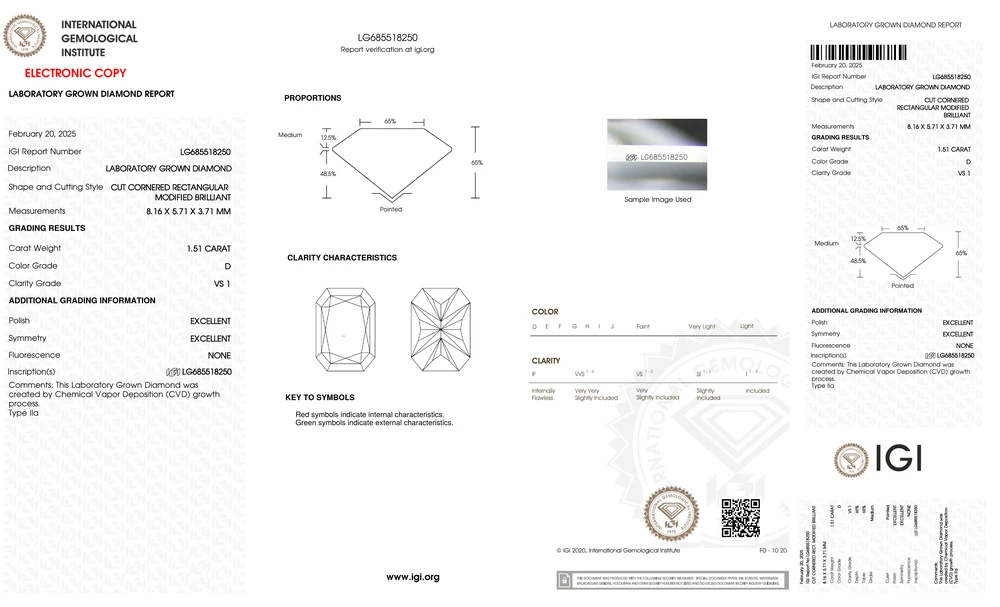
How to read an IGI report
Line by line, the front of the certificate
- Report numberThe stone's unique ID; on inscribed stones it also appears on the girdle.
- Shape and cutting styleFor example round brilliant, oval modified brilliant or emerald step cut.
- MeasurementsLength, width and depth in millimetres.
- Carat weightRecorded to the hundredth of a carat.
- ColorGraded on the D to Z scale.
- ClarityFrom FL (flawless) down to I3.
- CutIdeal to Poor; IGI issues a cut grade mainly for round brilliants.
- Polish and symmetryHow finely the facets are finished and aligned.
- FluorescenceFrom None to Very Strong.
- OriginStated as laboratory grown, with no ambiguity.
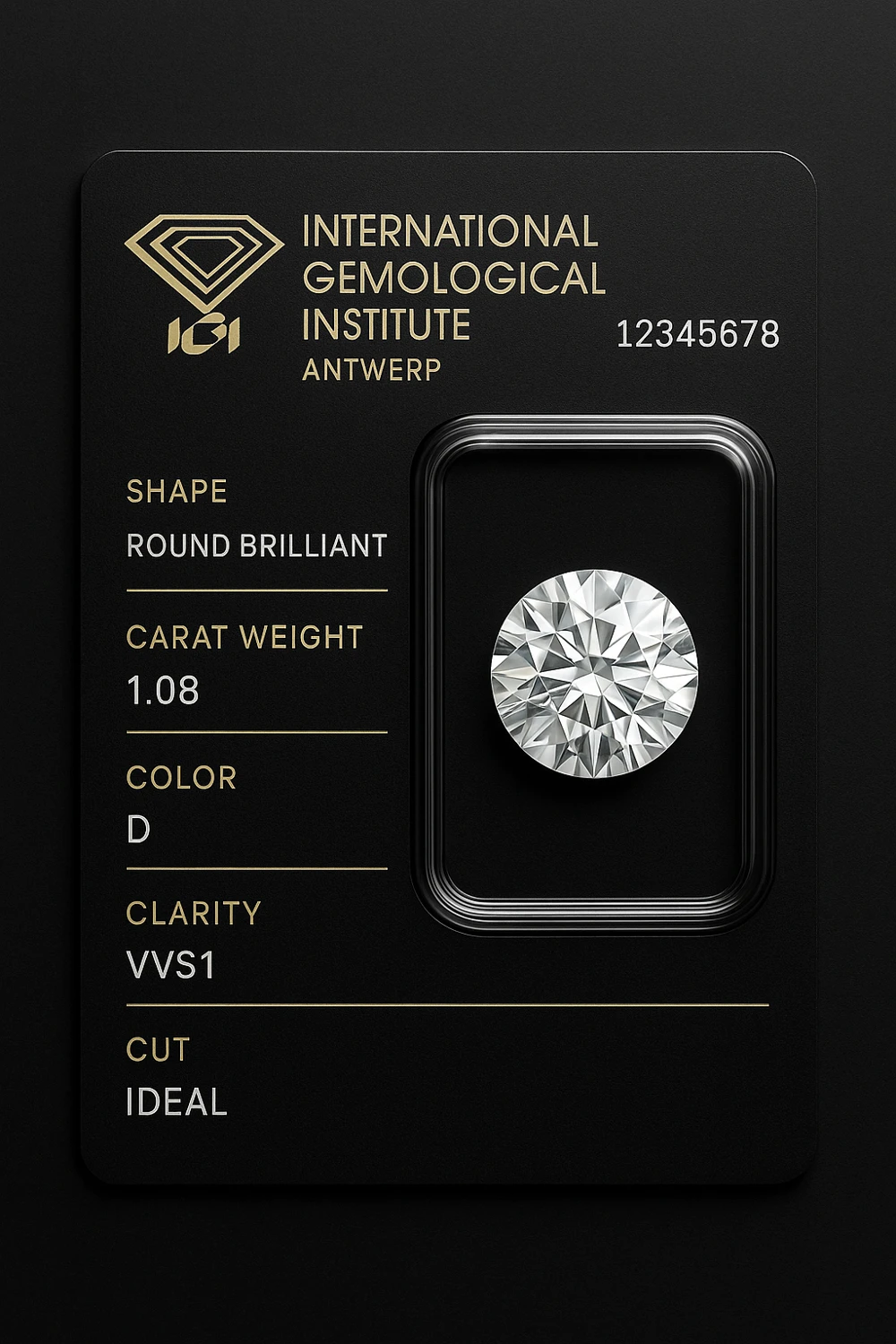
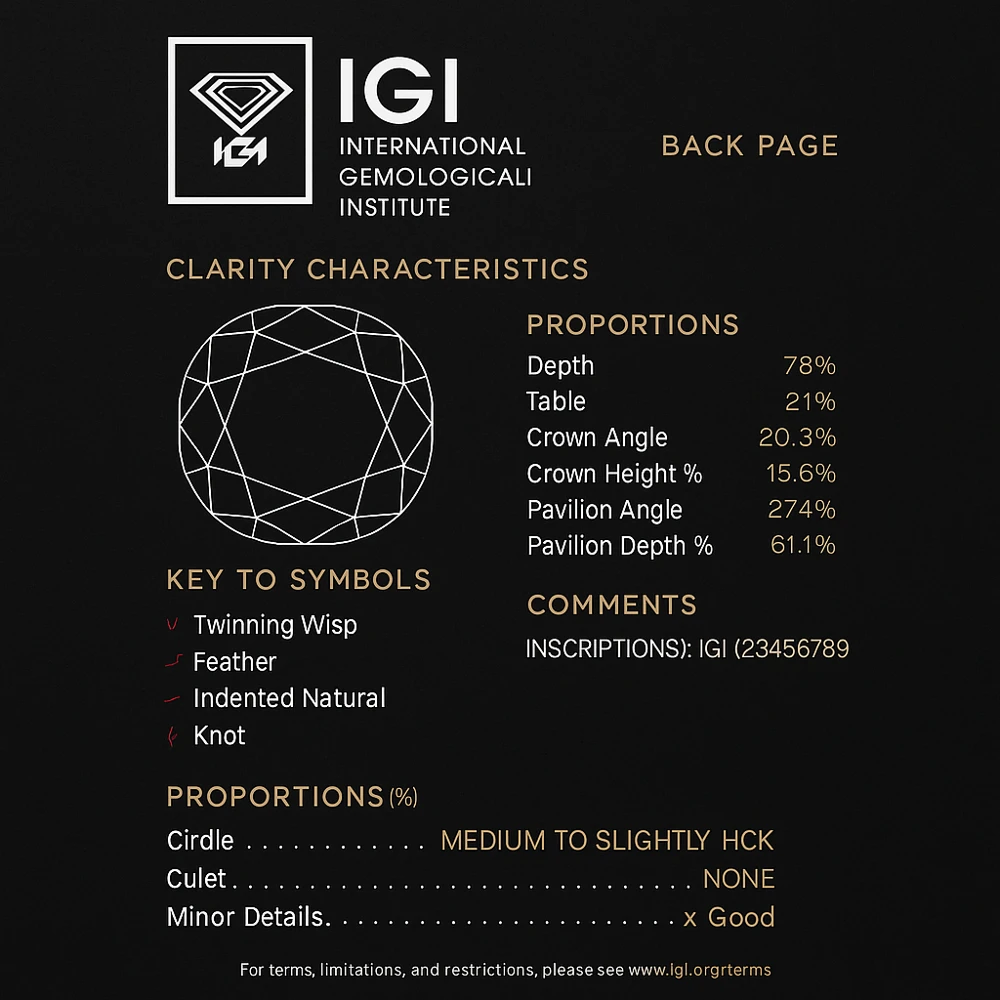
The clarity plot and the inscription
The back of the report, and the link between paper and stone
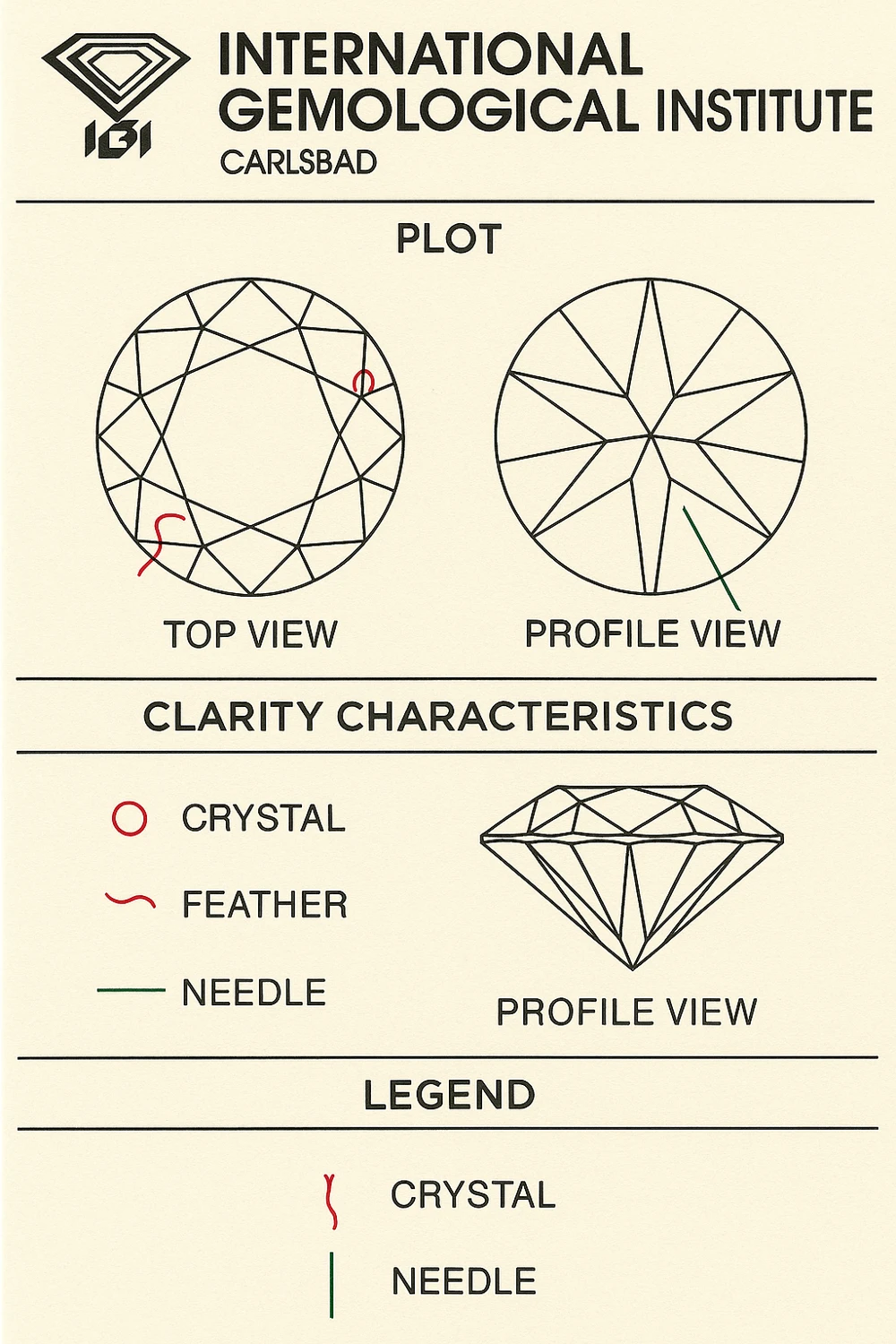
The reverse of the report carries a clarity plot: a map of where each inclusion or blemish sits, how large it is and what kind it is. Red symbols mark internal inclusions and green symbols mark surface blemishes. No two stones share the same pattern, so the plot works as a fingerprint for identification, for insurance appraisals and claims, and simply for knowing what is inside your stone.
Many IGI stones, especially larger ones, also carry a microscopic laser inscription on the girdle with the report number and an LG mark for laboratory grown. It is invisible to the eye but clear under a 10x loupe; most stones under four carats are not inscribed.
Behind every report is the same sequence. The stone arrives with nothing that identifies its owner or expected grades. One gemologist grades the 4Cs under standard lighting, a second grades it again without seeing the first result, a senior gemologist settles any difference, and only then is the report issued and, where it applies, the girdle inscribed.
Verify any report yourself
Enter the report number at IGI's own Report Check to confirm the certificate is genuine, see every grading detail, download a digital copy, and match it to the stone in your hands. Every 2N diamond page also links to a copy of its report.
Why we grade with IGI
Recognized everywhere
Jewelers, insurers and appraisers accept IGI reports worldwide.
Laboratory-grown expertise
IGI helped set the grading standards for laboratory-grown stones.
One standard
The same criteria in every IGI lab, so a grade is a grade.
Plain about origin
Every report states that the stone is laboratory grown.
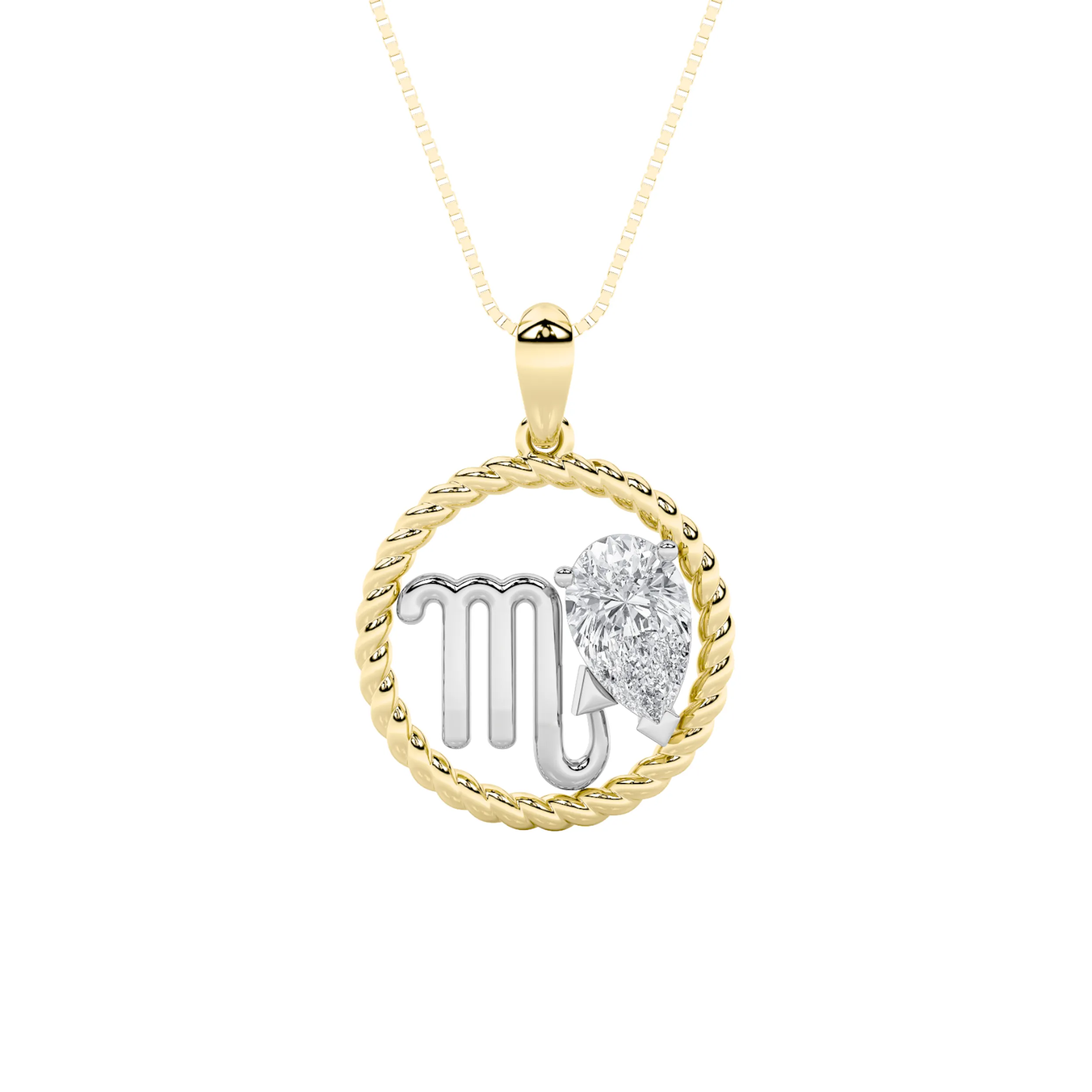
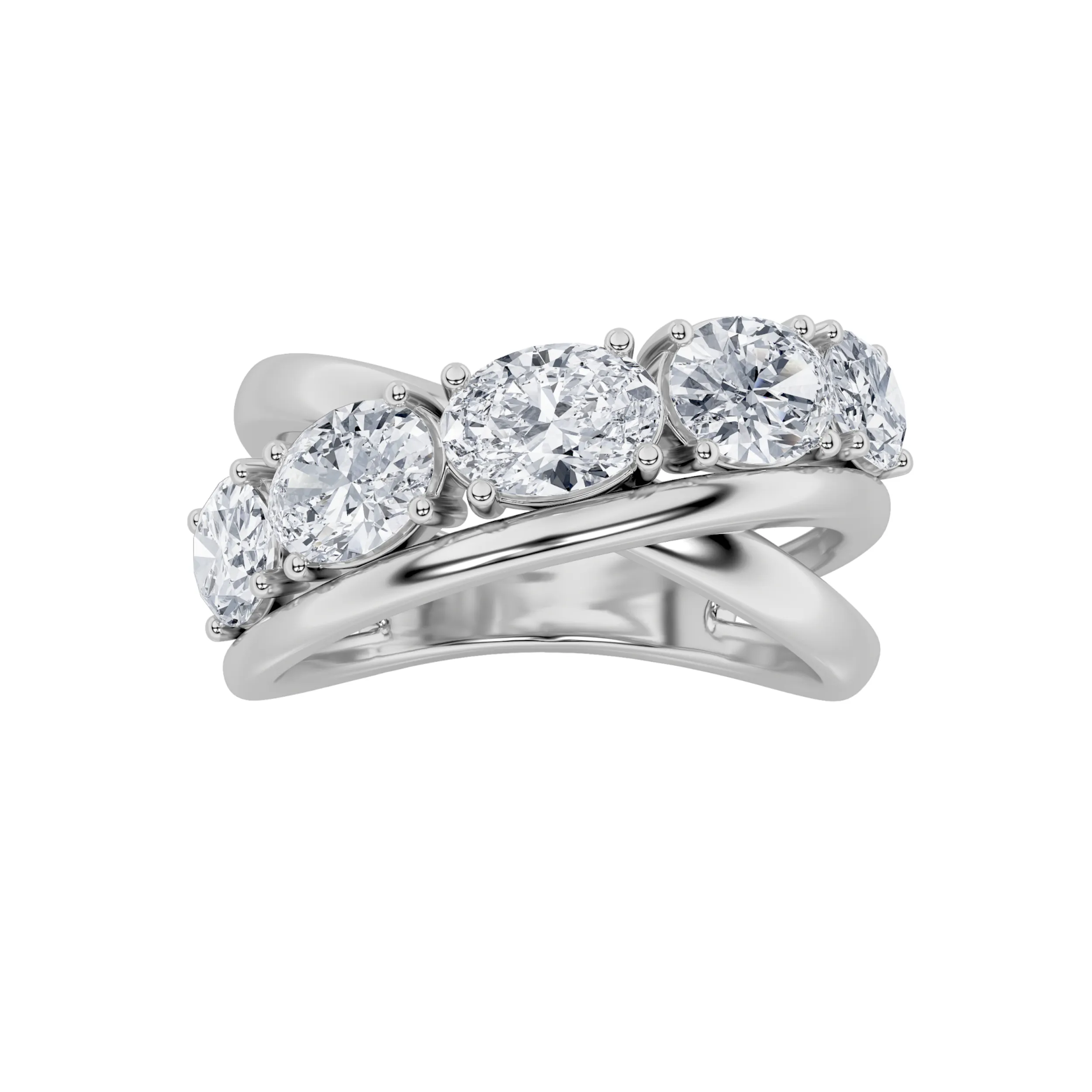
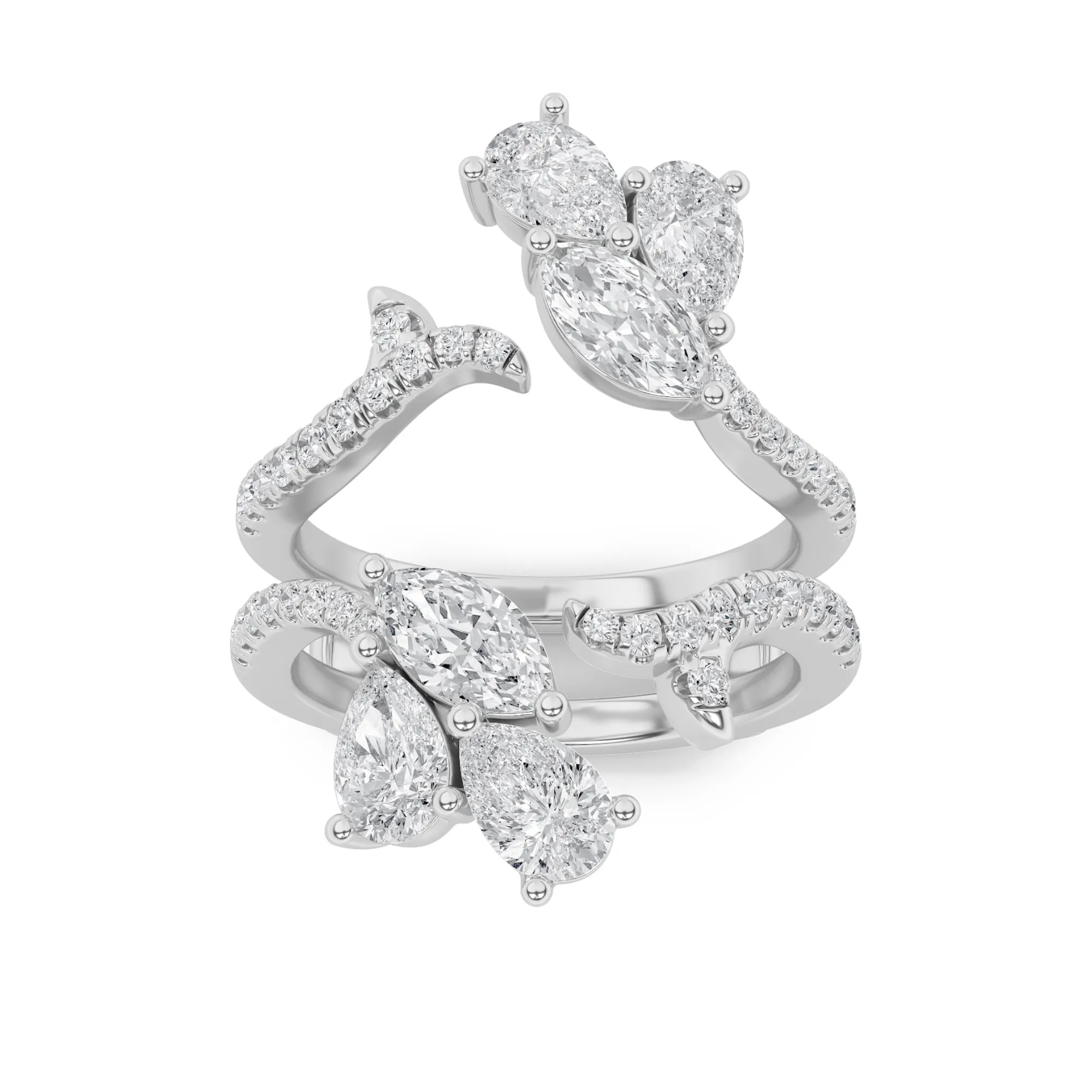
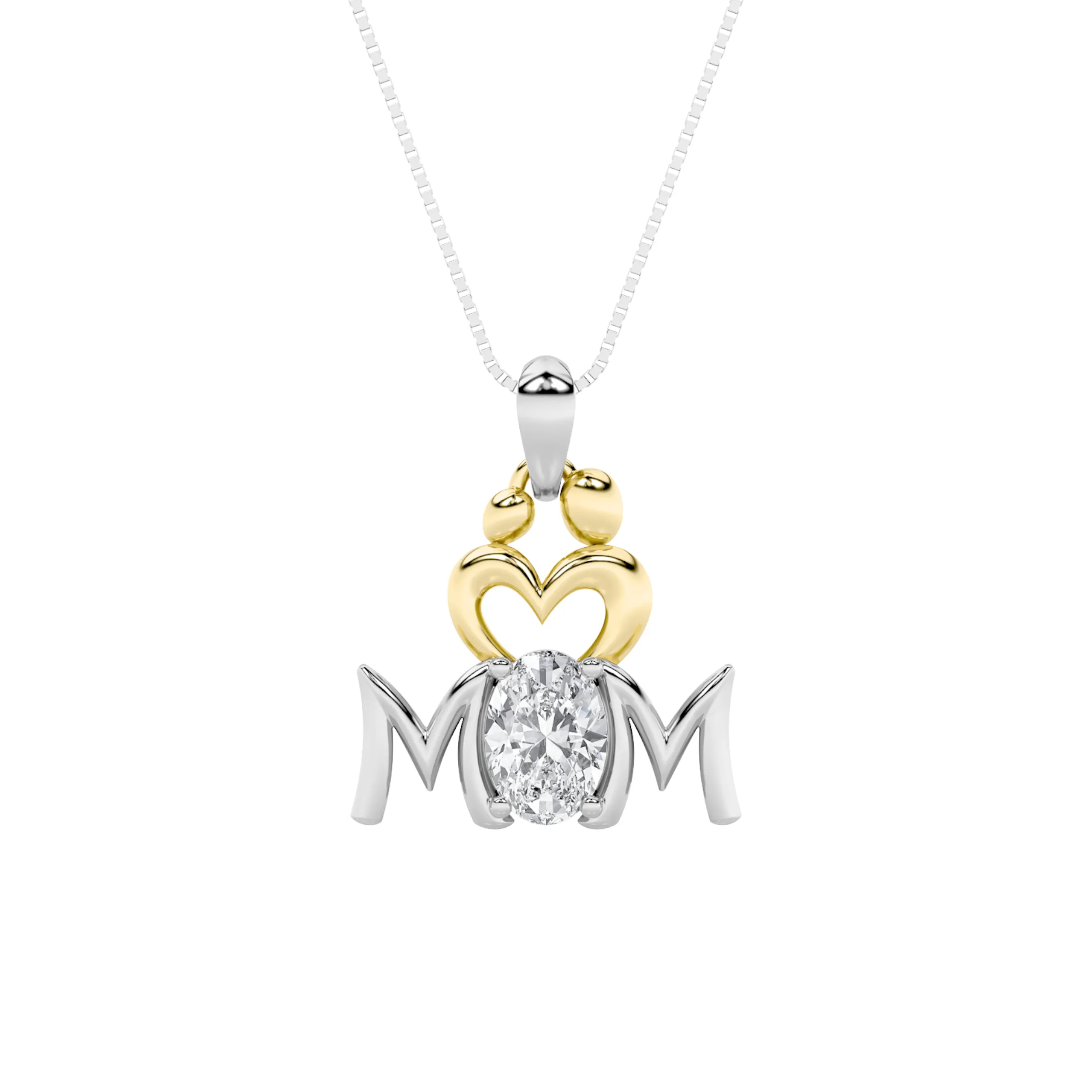
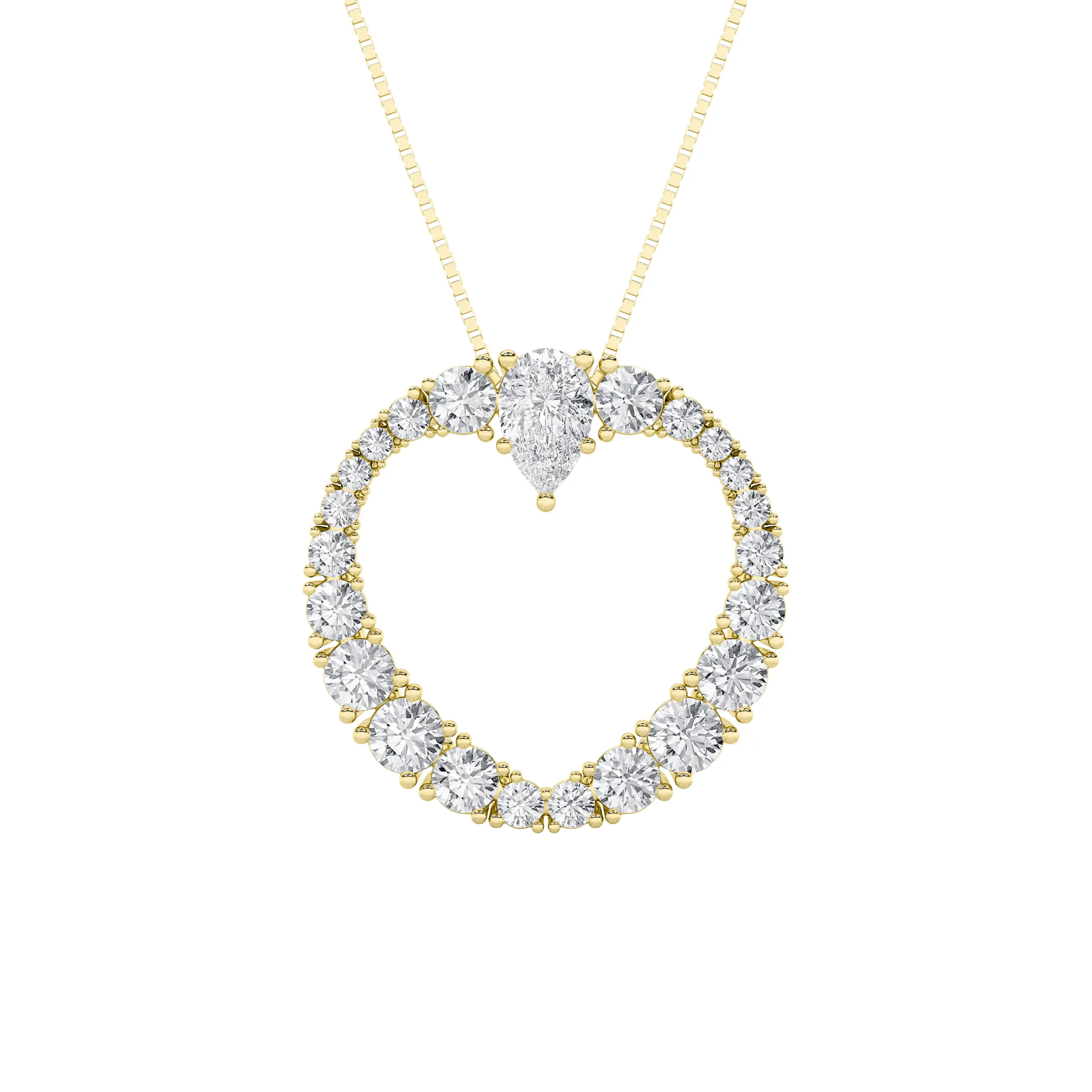
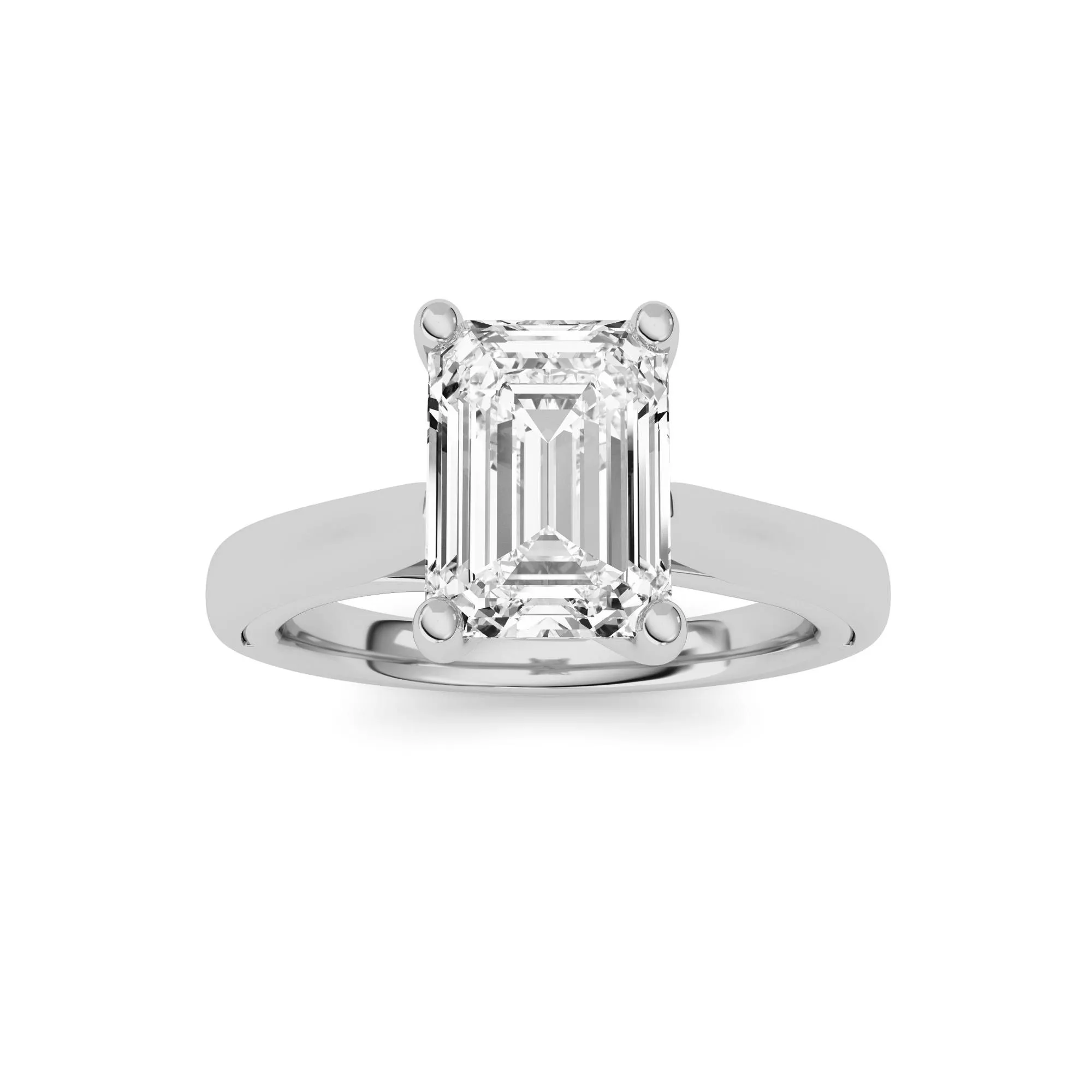
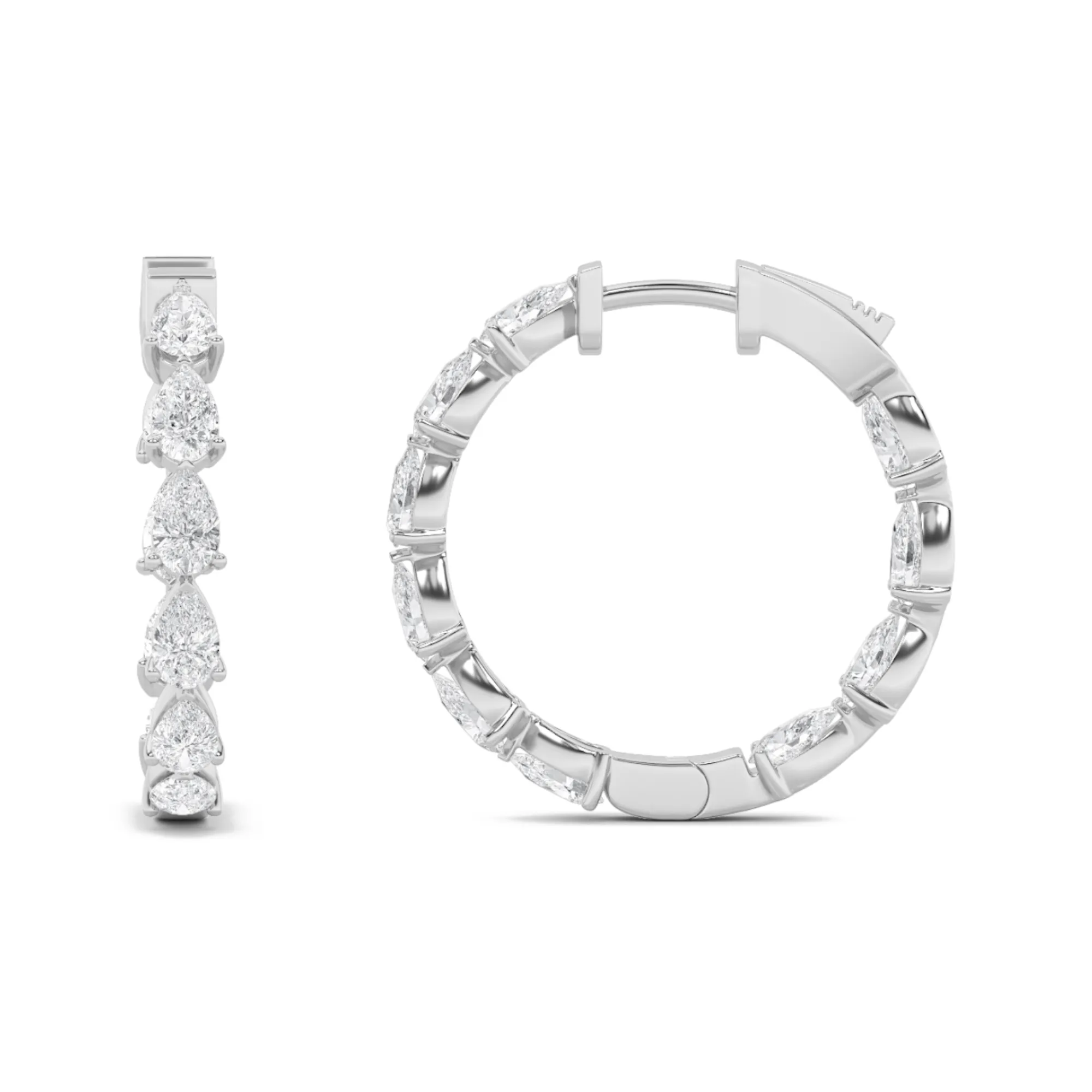
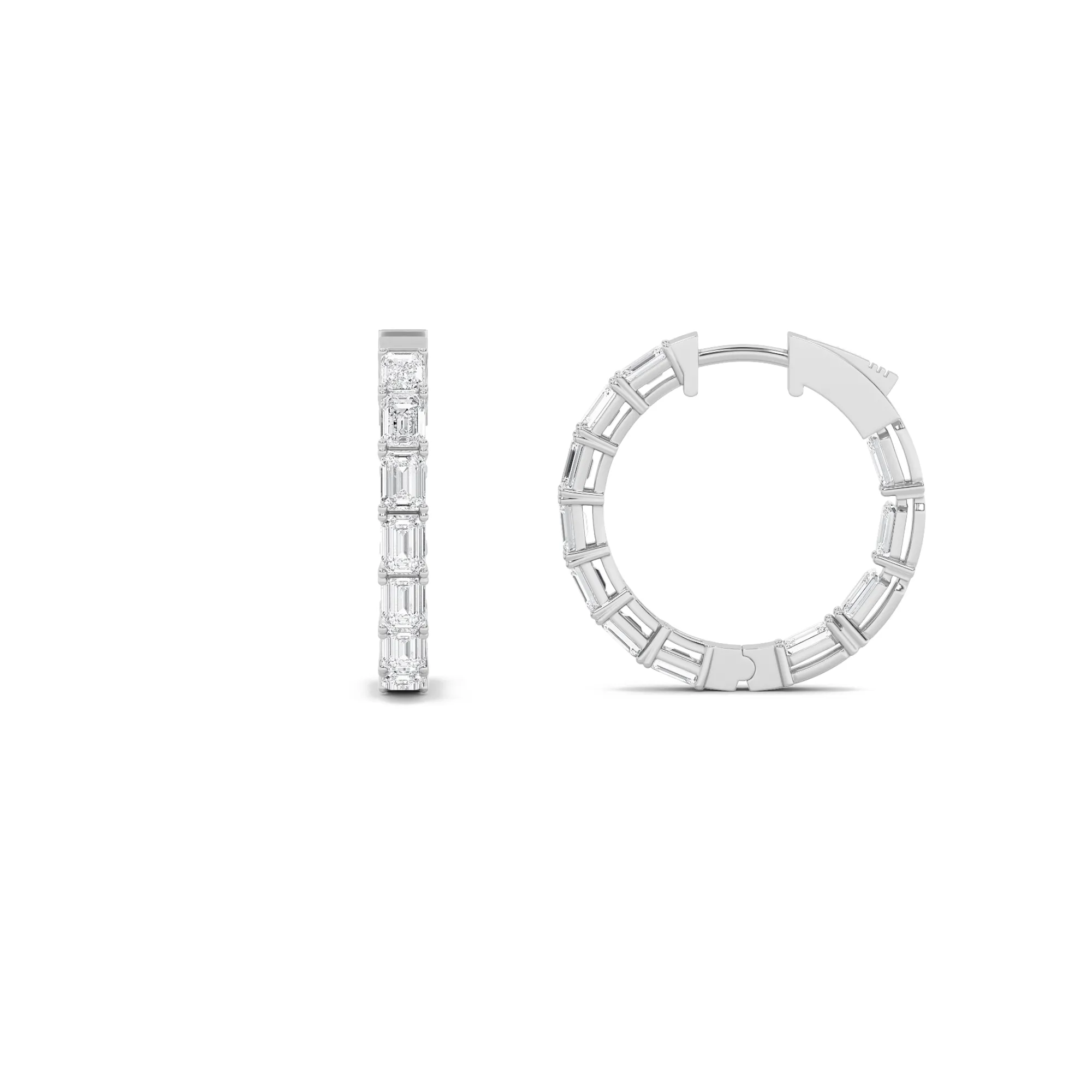
Featured IGI Certified Jewelry
Hand-selected from the house — finished, photographed and ready to ship.
What is The 2N Graded Premium Lab Grown Diamond?
Before a stone carries the 2N Graded name, we examine it by hand under the loupe, and if an inclusion is visible to the eye, it is turned away. We then judge its cut and brilliance, and keep only stones with Excellent polish and symmetry, graded Ideal for cut wherever a cut grade applies. Each one is IGI certified and arrives with its report. Only the top 30% pass, and we turn away the other 70%.
Every loose 2N Graded Premium Lab Grown Diamond in the 2N vault is IGI certified, and each diamond page links to a copy of its report. Filter the vault by shape, carat, color and clarity, or choose a finished piece from the house collections.
Weighing IGI against GIA? Read IGI vs GIA.
Explore the House
Every diamond IGI certified.
Common Questions
What is The 2N Graded Premium Lab Grown Diamond?
Before a stone carries the 2N Graded name, we examine it by hand under the loupe, and if an inclusion is visible to the eye, it is turned away. We then judge its cut and brilliance, and keep only stones with Excellent polish and symmetry, graded Ideal for cut wherever a cut grade applies. Each one is IGI certified and arrives with its report. Only the top 30% pass, and we turn away the other 70%.
Is every 2N diamond IGI certified?
Yes. Every 2N Graded Premium Lab Grown Diamond in the 2N vault is IGI certified, and the report number is shown with each stone.
Where can I see the report?
Each diamond page links to a copy of its IGI report, and the report number can be checked on the IGI website.
What does the clarity plot on an IGI report show?
It maps the position, size and type of every inclusion (red) and surface blemish (green), which makes it a fingerprint for that one stone.
Is every IGI diamond laser inscribed?
No. Many larger stones carry the report number and an LG mark on the girdle, visible under a 10x loupe; most stones under four carats are not inscribed.