NEW YORKGold$2,816
NEW YORKSilver$31.42
LONDONGold£2,248
LONDONDiamonds+1.8%
TOKYOGold¥421,580
DUBAIGoldAED 10,342
DUBAIDiamonds+2.1%
HONG KONGGoldHK$22,014
NEW YORKGold$2,816
NEW YORKSilver$31.42
LONDONGold£2,248
LONDONDiamonds+1.8%
TOKYOGold¥421,580
DUBAIGoldAED 10,342
DUBAIDiamonds+2.1%
HONG KONGGoldHK$22,014
NEW YORKGold$2,816
NEW YORKSilver$31.42
LONDONGold£2,248
LONDONDiamonds+1.8%
TOKYOGold¥421,580
DUBAIGoldAED 10,342
DUBAIDiamonds+2.1%
HONG KONGGoldHK$22,014
NEW YORKGold$2,816
NEW YORKSilver$31.42
LONDONGold£2,248
LONDONDiamonds+1.8%
TOKYOGold¥421,580
DUBAIGoldAED 10,342
DUBAIDiamonds+2.1%
HONG KONGGoldHK$22,014

DIAMOND EDUCATION

Your complete guide to understanding diamonds — from the 4Cs to IGI certification. Click any topic below to explore.

The 4Cs of Diamonds
The universal standard for evaluating diamond quality: Cut, Color, Clarity, and Carat
+
The 4Cs of Diamonds Diamond Anatomy

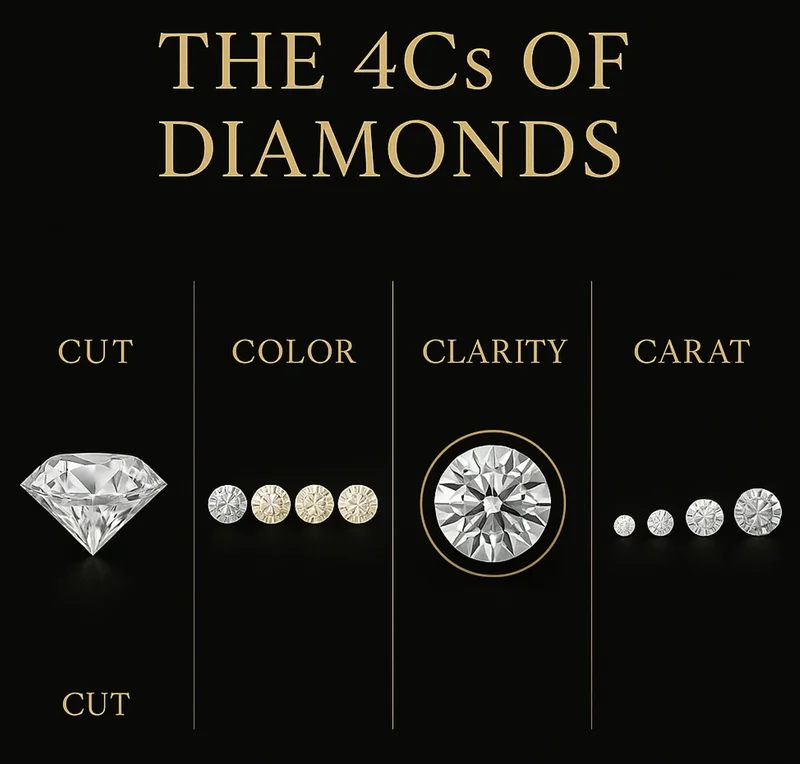
The 4Cs — Cut, Color, Clarity, and Carat — are the globally recognized standards for assessing diamond quality. Established by GIA in the 1950s, this grading system provides an objective framework for comparing diamonds worldwide. Every diamond certified by IGI (International Gemological Institute) is evaluated on all four criteria, giving you complete transparency about what you're purchasing.

Expert Tip: While all four Cs matter, Cut is often considered the most important because it has the greatest impact on a diamond's visual beauty — a well-cut diamond will sparkle brilliantly even with slightly lower color or clarity grades.

Cut — How well facets interact with light. Determines brilliance, fire, and scintillation.
Color — Measured on the D-Z scale. Less color means higher value and brilliance.
Clarity — Graded FL to I3. Fewer inclusions mean greater purity and light performance.
Carat — The diamond's weight. 1 carat = 0.2 grams. Larger diamonds are exponentially rarer.
Explore Each C in Detail
◆ Cut ◆ Color ◆ Clarity ◆ Carat

Full 4Cs Guide →
Understanding Cut
How cut determines a diamond's brilliance, fire, and sparkle
+
Diamond Cut Light Performance

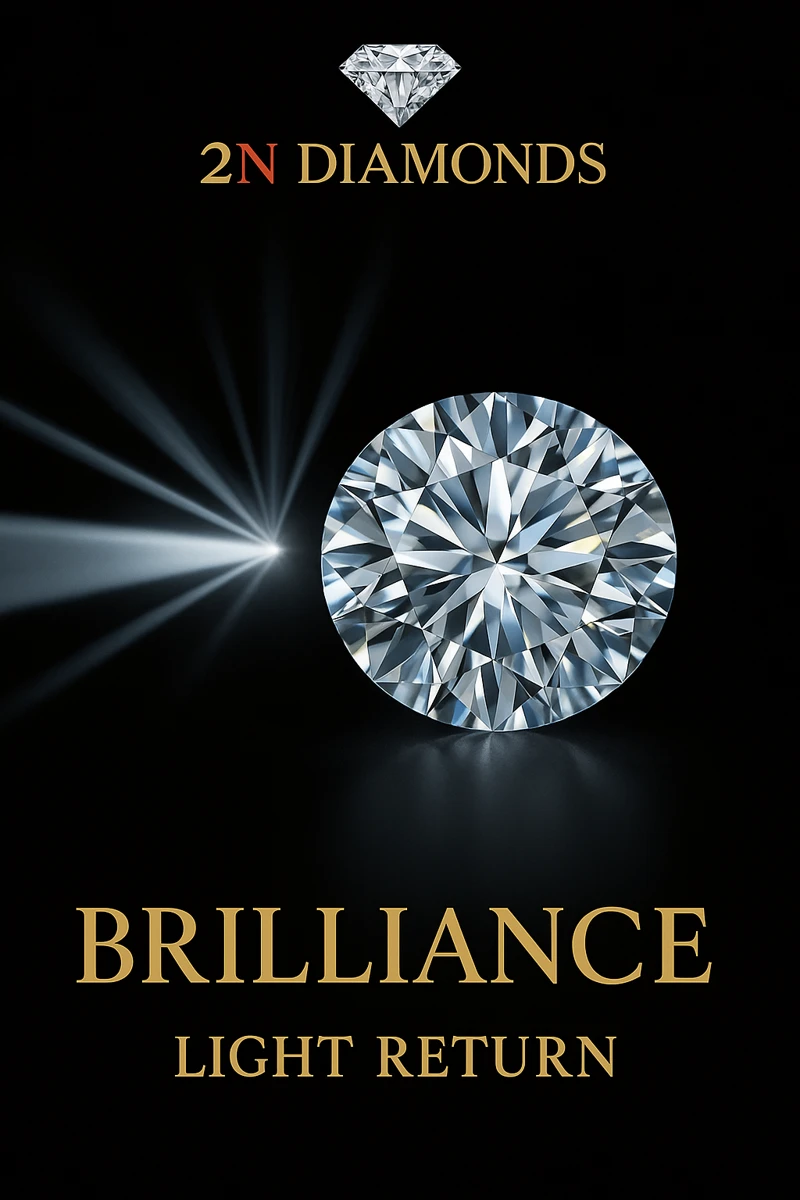
Cut refers to how well a diamond's facets interact with light — not the shape (round, oval, etc.) but the quality of proportions, symmetry, and polish. A well-cut diamond reflects light internally from facet to facet, then disperses it through the top, creating three stunning optical effects:

Brilliance — The total white light reflected back to your eye
Fire — The dispersion of light into rainbow spectral colors
Scintillation — The dynamic sparkle pattern when diamond moves
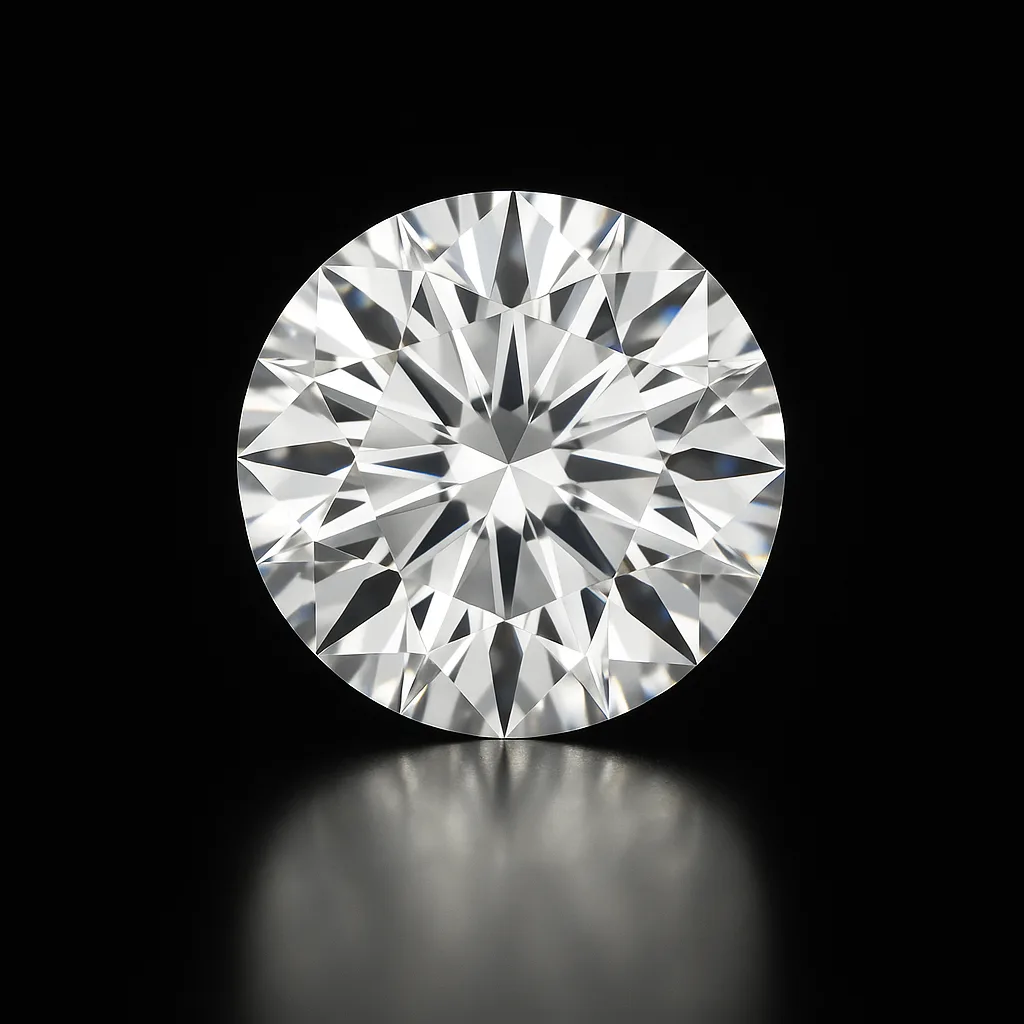
Hearts & Arrows — The pinnacle pattern of an ideal cut diamond

IGI Cut Grades: Ideal → Excellent → Very Good → Good → Fair. We recommend Ideal or Excellent for maximum sparkle.

Full Cut Guide →
Diamond Color
The D-Z color scale and how absence of color increases value
+
Diamond Color Scale D-Z

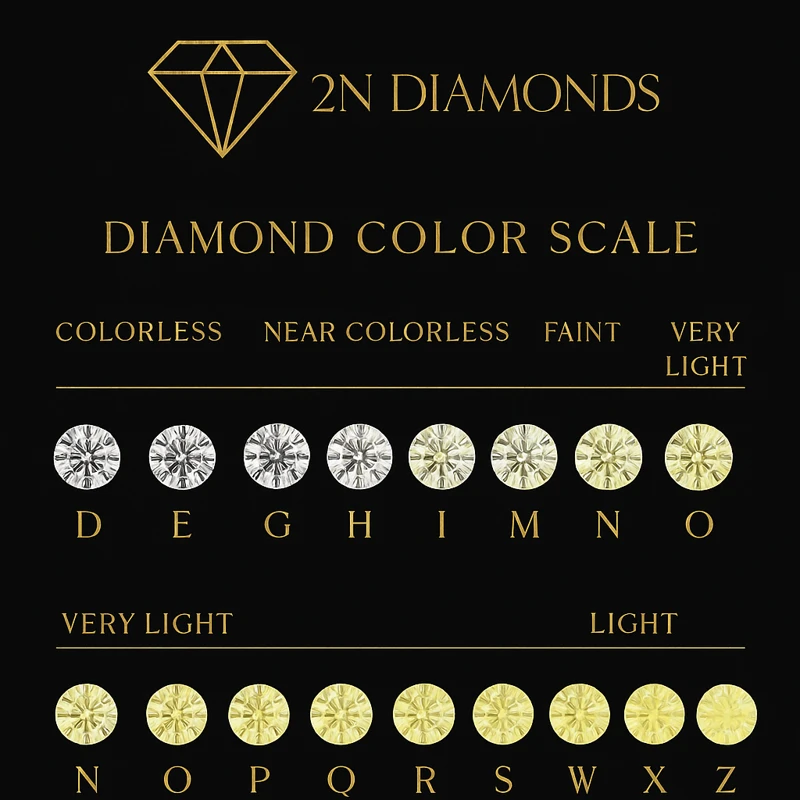
Diamond color is graded on a scale from D (colorless) to Z (light yellow/brown). The less color present, the higher the grade and the more valuable the diamond. Colorless diamonds allow maximum light to pass through, creating superior brilliance and fire.

D-E-F (Colorless) — Exceptional white. Highest quality, rarest
G-H-I-J (Near Colorless) — Excellent value. Hard to see color face-up
K-L-M (Faint) — Slight warmth. Budget-friendly for larger sizes
N-Z (Light) — Visible color. Significant price reduction

Lab-Grown Advantage: Lab-grown diamonds consistently achieve top color grades (D-G) at a fraction of the cost of mined equivalents.

Full Color Guide →
Diamond Clarity
Understanding inclusions, blemishes, and the FL to I3 clarity scale
+
Diamond Clarity Chart Clarity Comparison

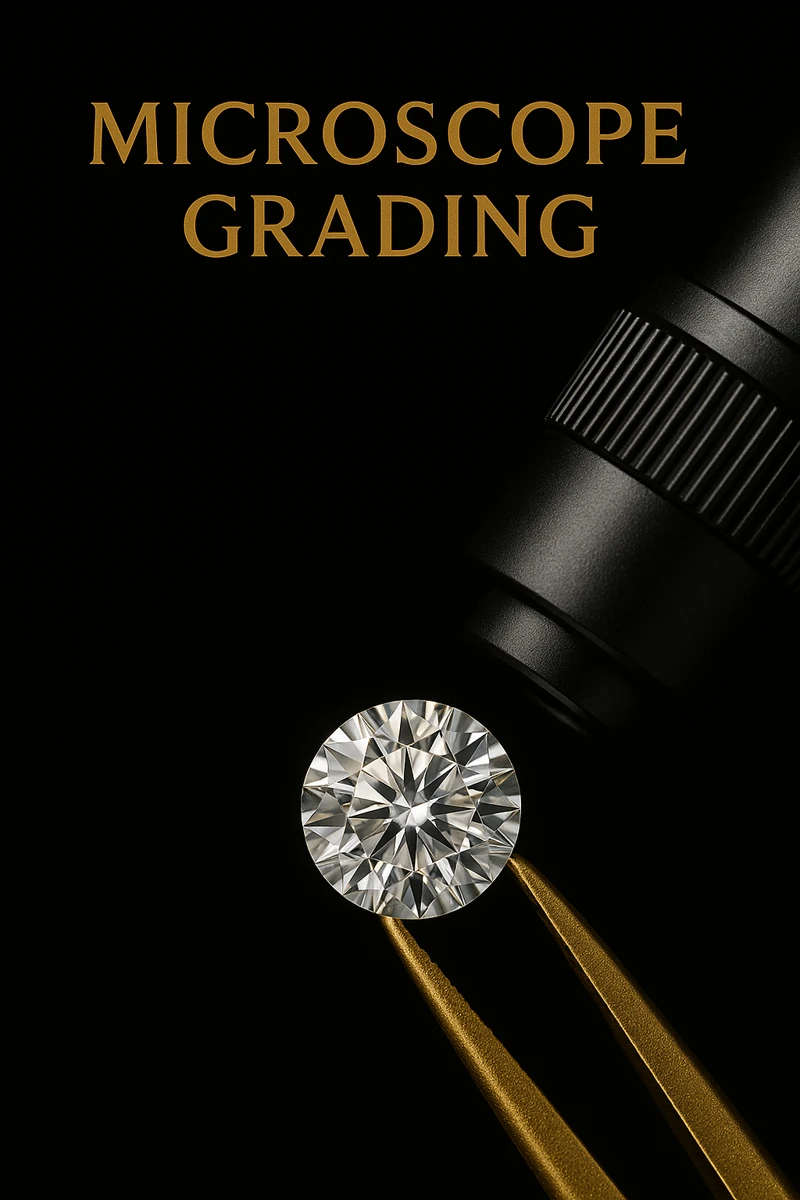
Clarity measures the absence of internal inclusions and surface blemishes. Diamonds are examined under 10x magnification by trained gemologists. The fewer and smaller the imperfections, the higher the clarity grade and the more freely light can travel through the stone.

FL / IF — Flawless / Internally Flawless. No inclusions visible at 10x
VVS1 / VVS2 — Very Very Slightly Included. Extremely difficult to see at 10x
VS1 / VS2 — Very Slightly Included. Minor inclusions, hard to see at 10x
SI1 / SI2 — Slightly Included. Noticeable at 10x, may be visible to naked eye

Our Recommendation: VS1-VS2 offers the best value — eye-clean diamonds at significantly lower prices than VVS grades.

Full Clarity Guide →
Carat Weight
How diamonds are measured and how carat affects price exponentially
+
Carat Size Comparison Carat Weight Chart

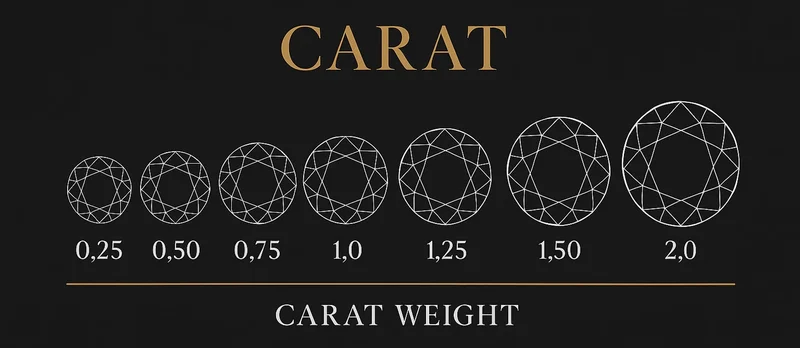
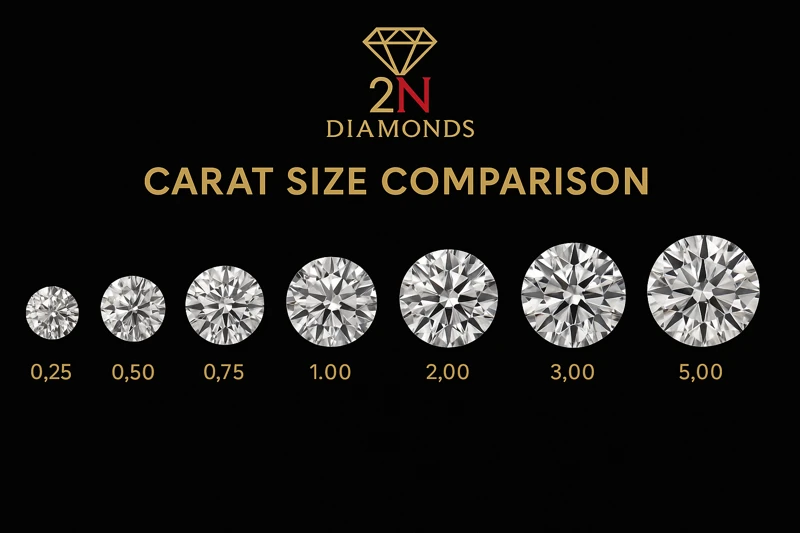
Carat is the standard unit of weight for diamonds. One carat equals 0.2 grams (200 milligrams). Diamond prices increase exponentially — not linearly — with carat weight because larger rough crystals are disproportionately rarer.

Size vs. Weight: A diamond's visible size depends on its shape and cut quality, not just carat weight. An elongated oval may appear larger than a round of the same carat because it spreads weight across a wider surface.

0.50 – 0.99 CT — Popular for elegant everyday jewelry and smaller settings
1.00 – 1.99 CT — The most requested range for engagement rings
2.00 – 3.99 CT — Luxury presence. Significant visual impact on hand
4.00+ CT — Statement pieces. Rare, commanding, truly exceptional
Full Carat Guide →
Diamond Shapes
Round Brilliant, Oval, Princess, Cushion, Emerald, and more
+
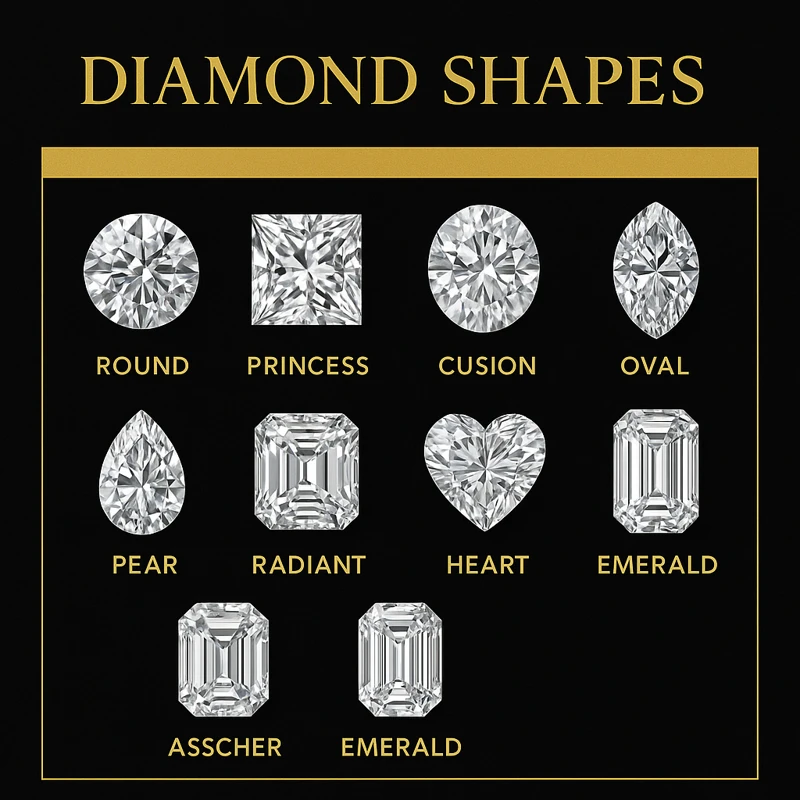
Diamond Shapes

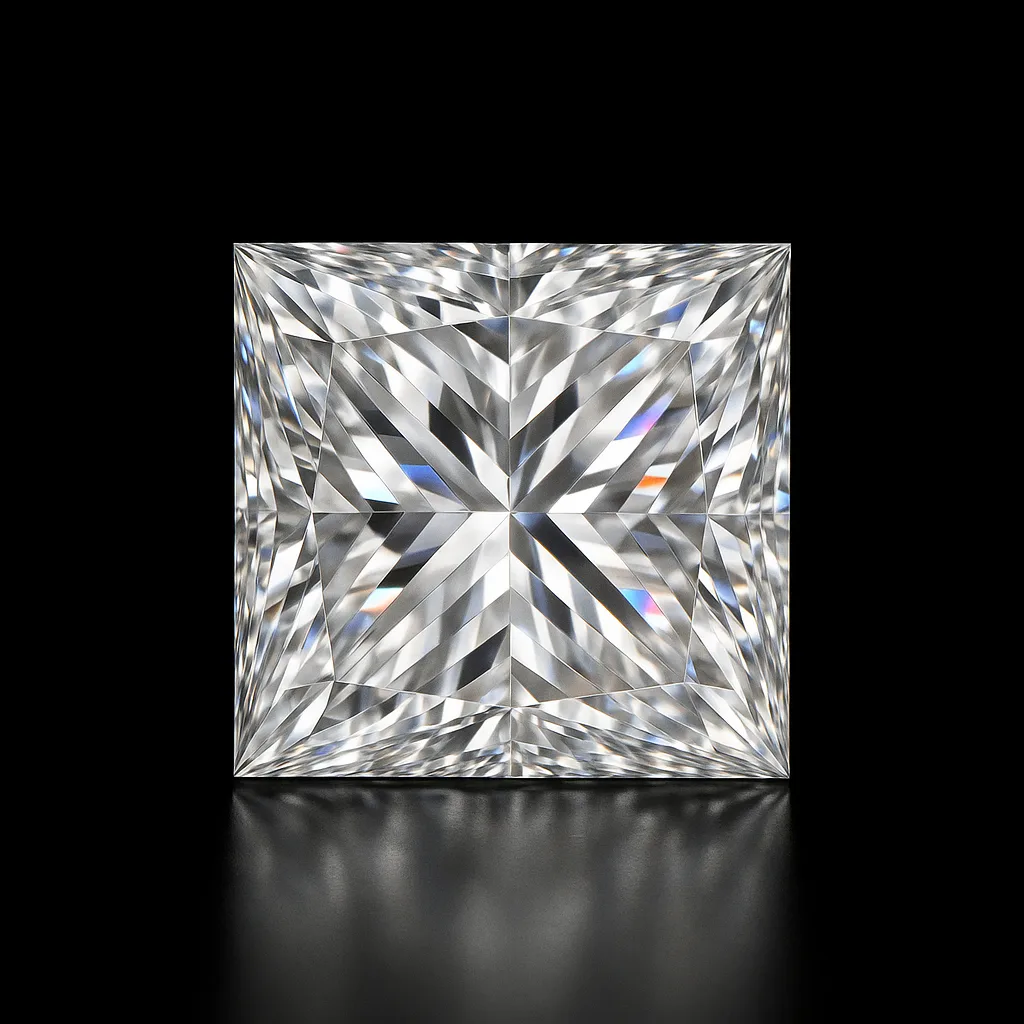
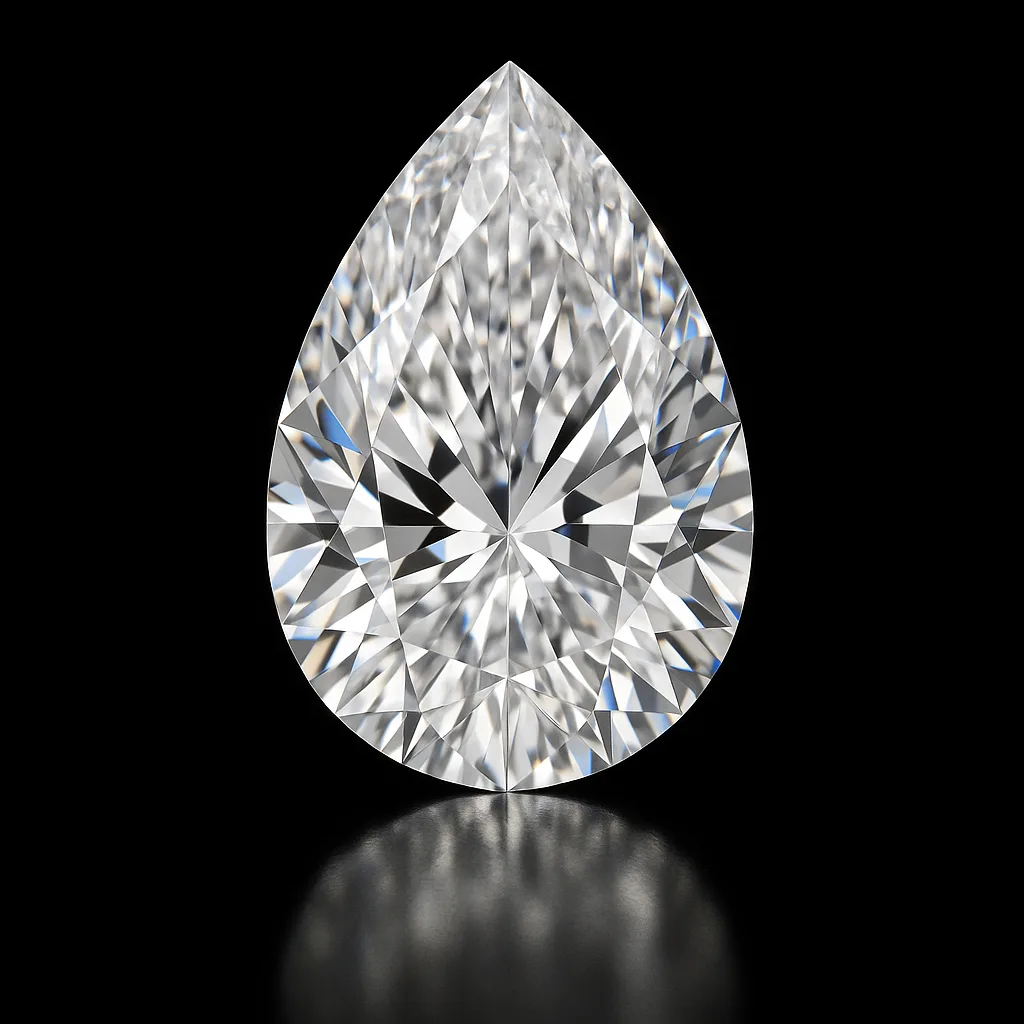
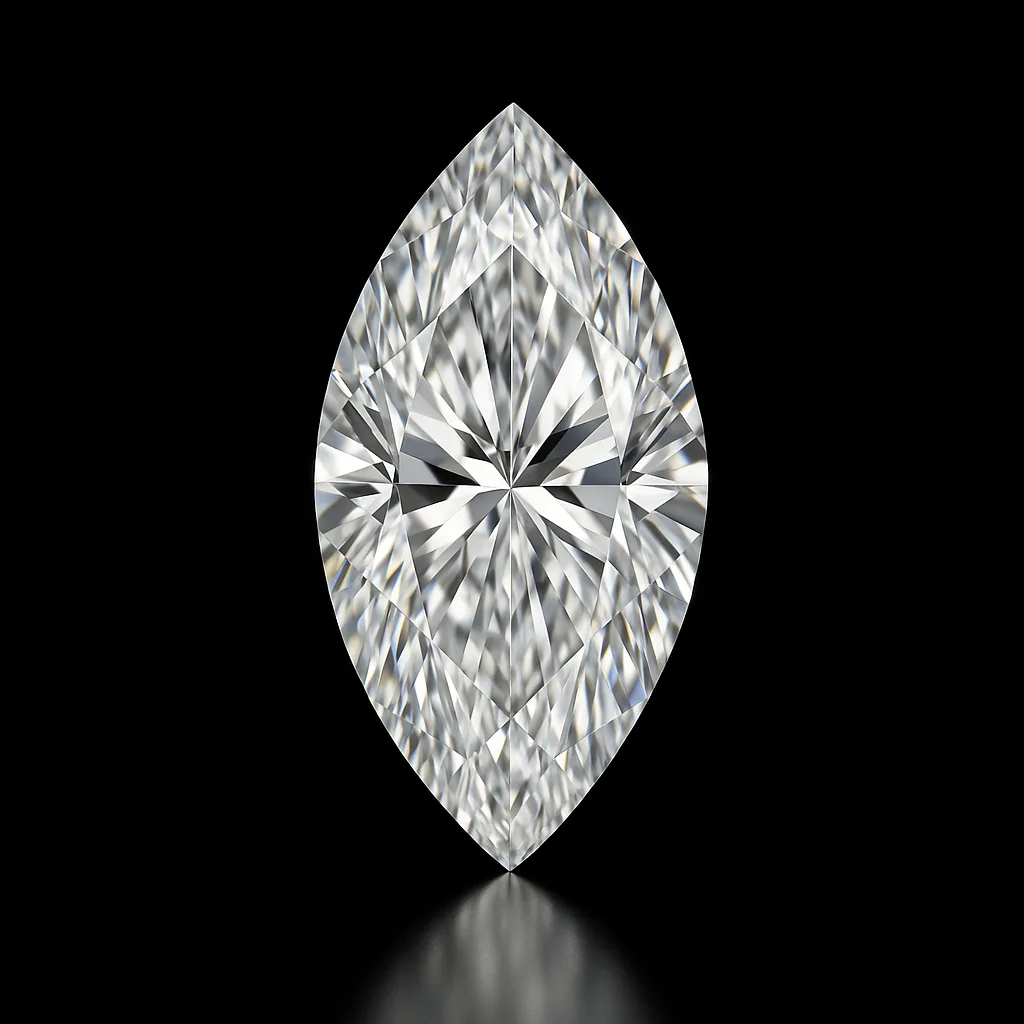
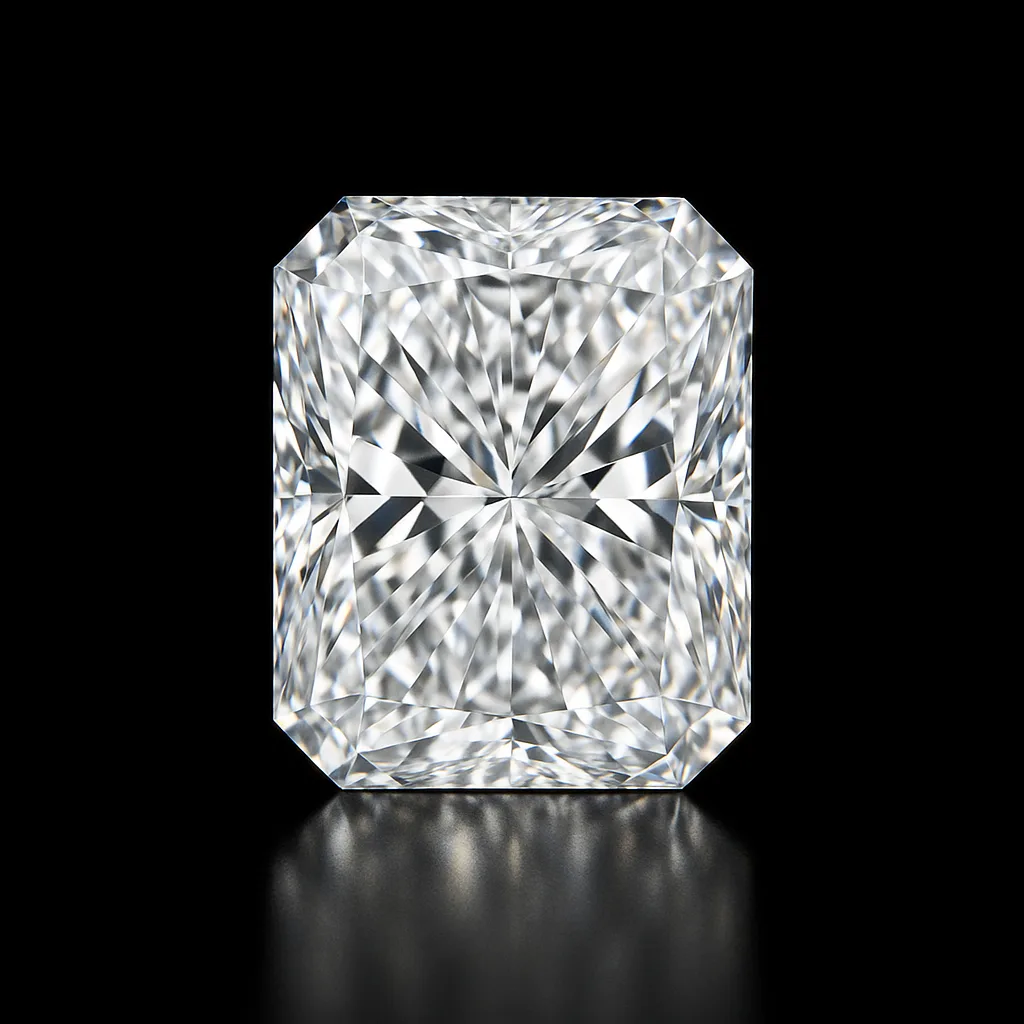
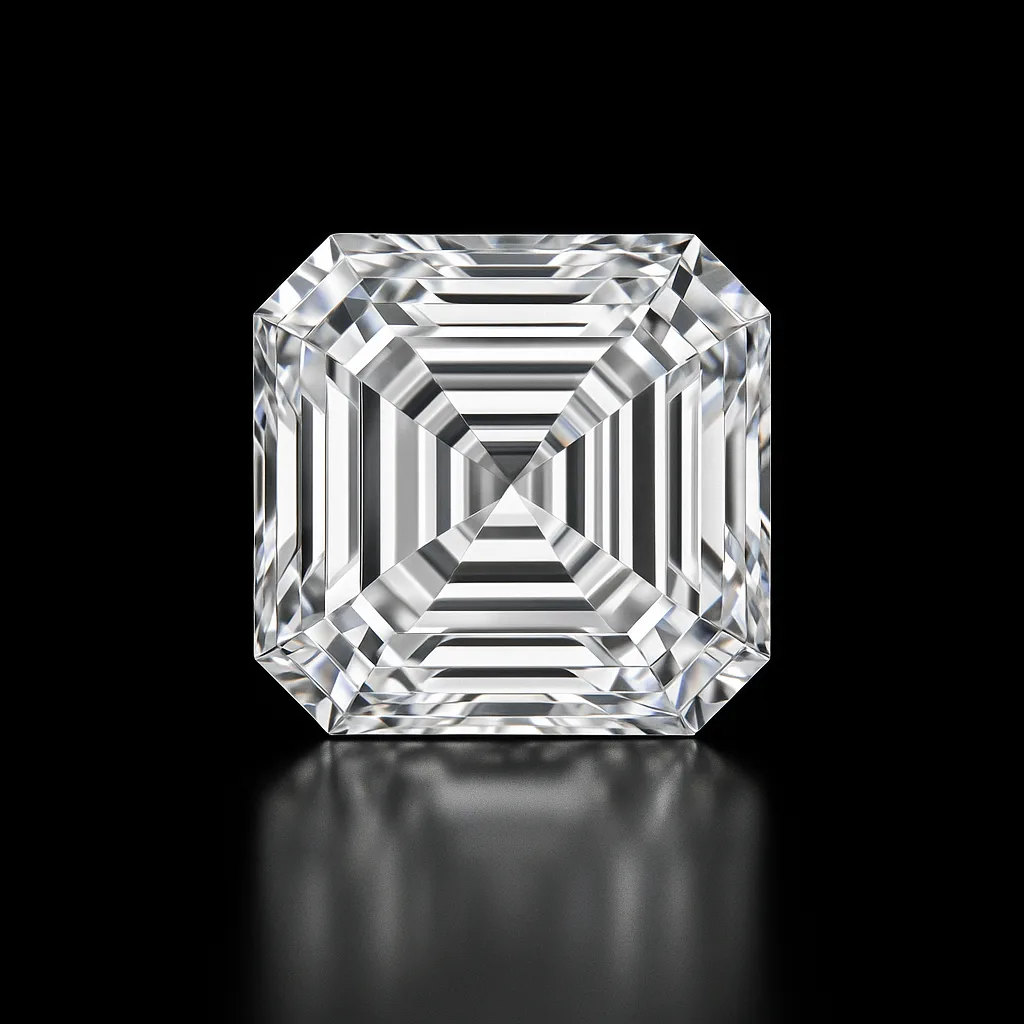
Shape refers to a diamond's outline when viewed from above — it's different from cut, which refers to proportions and light performance. Each shape has a unique character, and the IGI uses proper nomenclature that reflects both shape and faceting style.

Round Brilliant — 57 facets, maximum sparkle. The classic choice for engagement rings
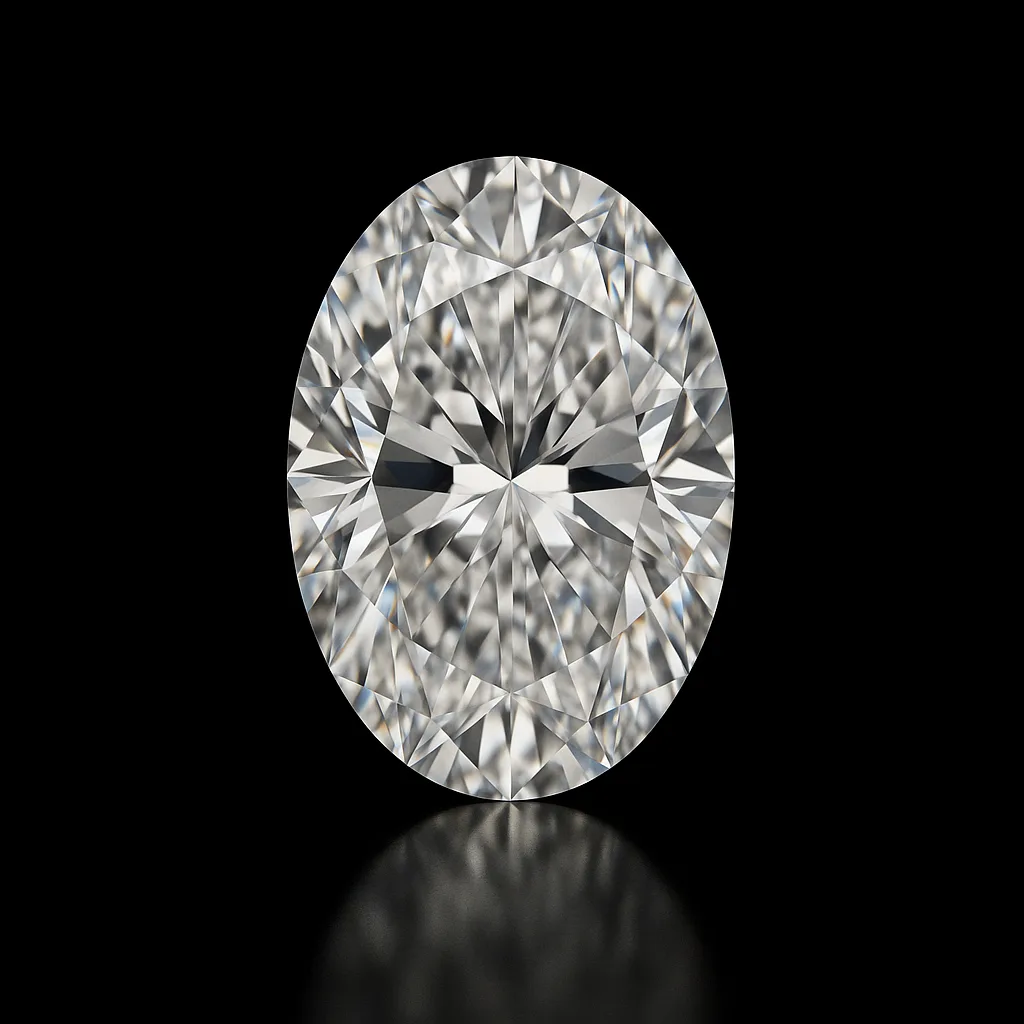
Oval Brilliant — Elongated elegance. Makes fingers appear longer and slender
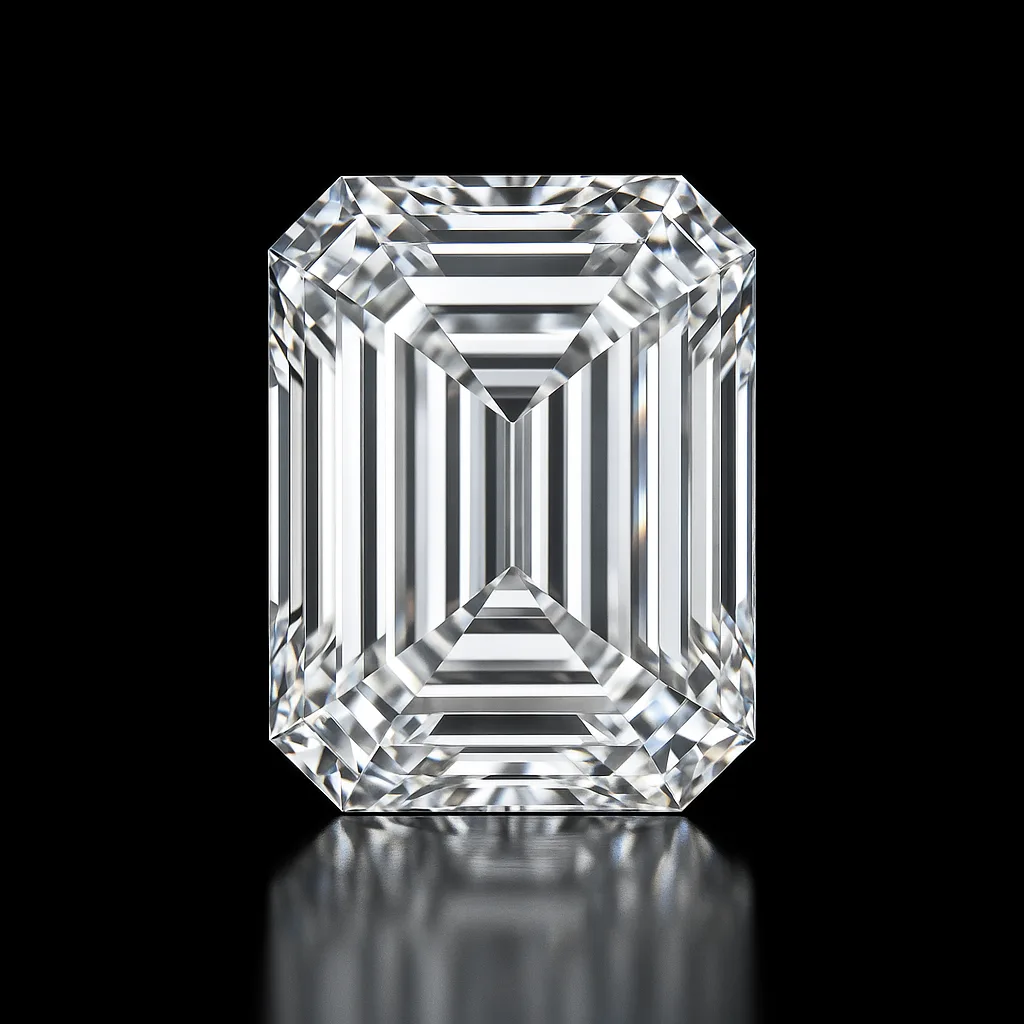
Emerald Step Cut — Hall-of-mirrors effect. Sophisticated and architectural
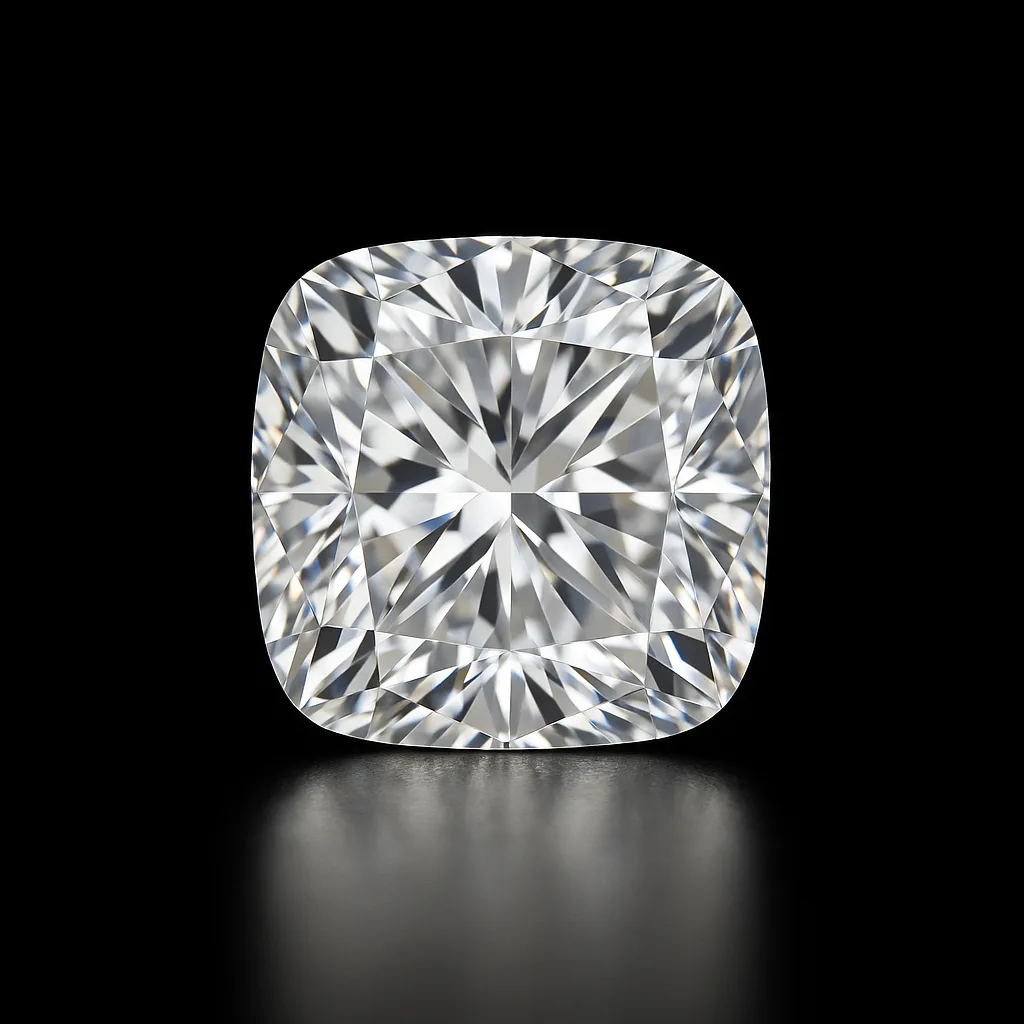
Cushion Modified Brilliant — Romantic pillow shape. Exceptional fire and brilliance

Full Shapes Guide →
How Diamonds Are Made
The CVD and HPHT processes — creating real diamonds atom by atom
+
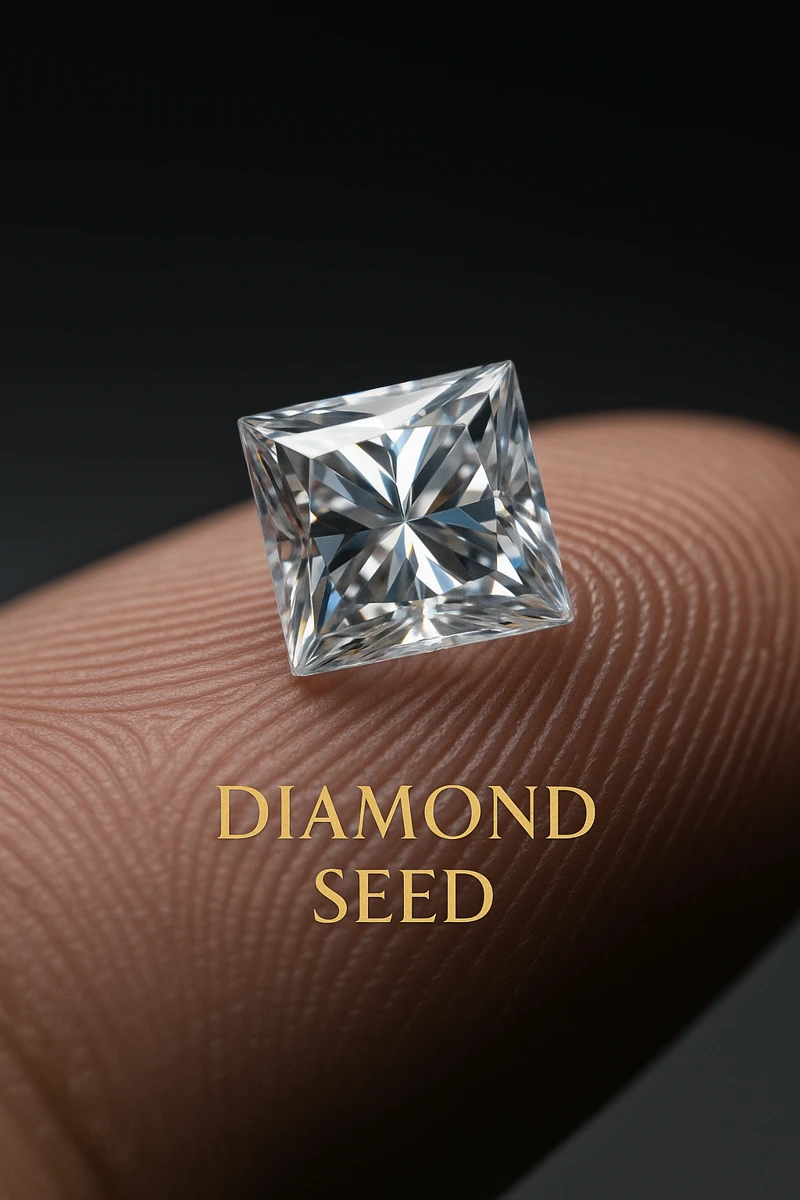
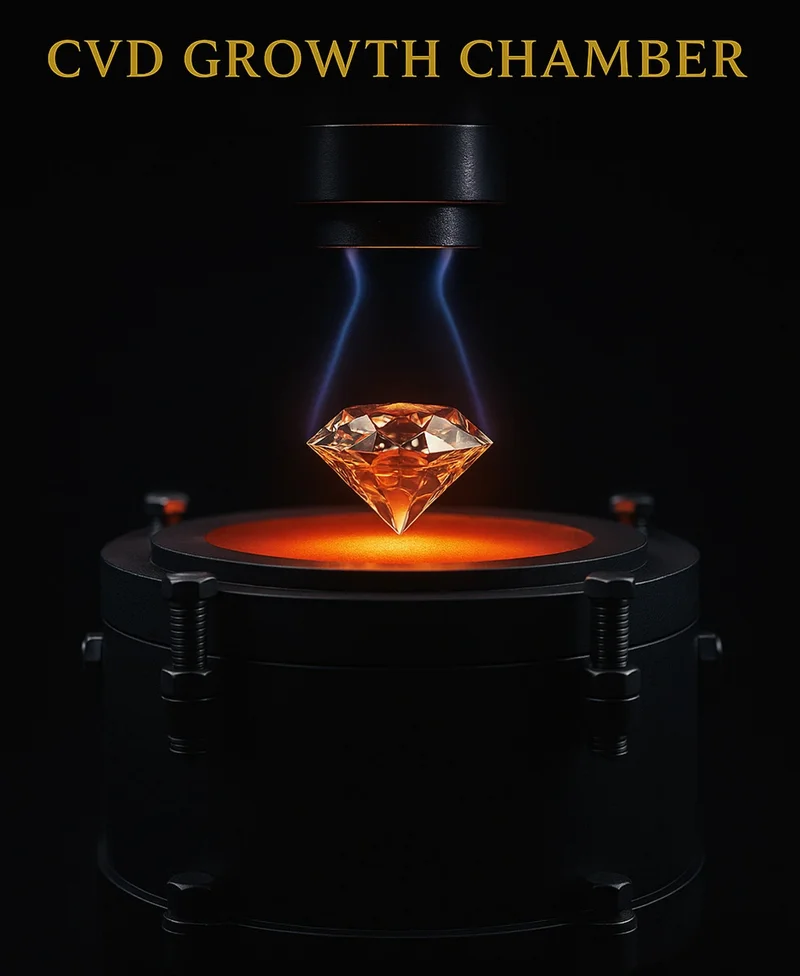
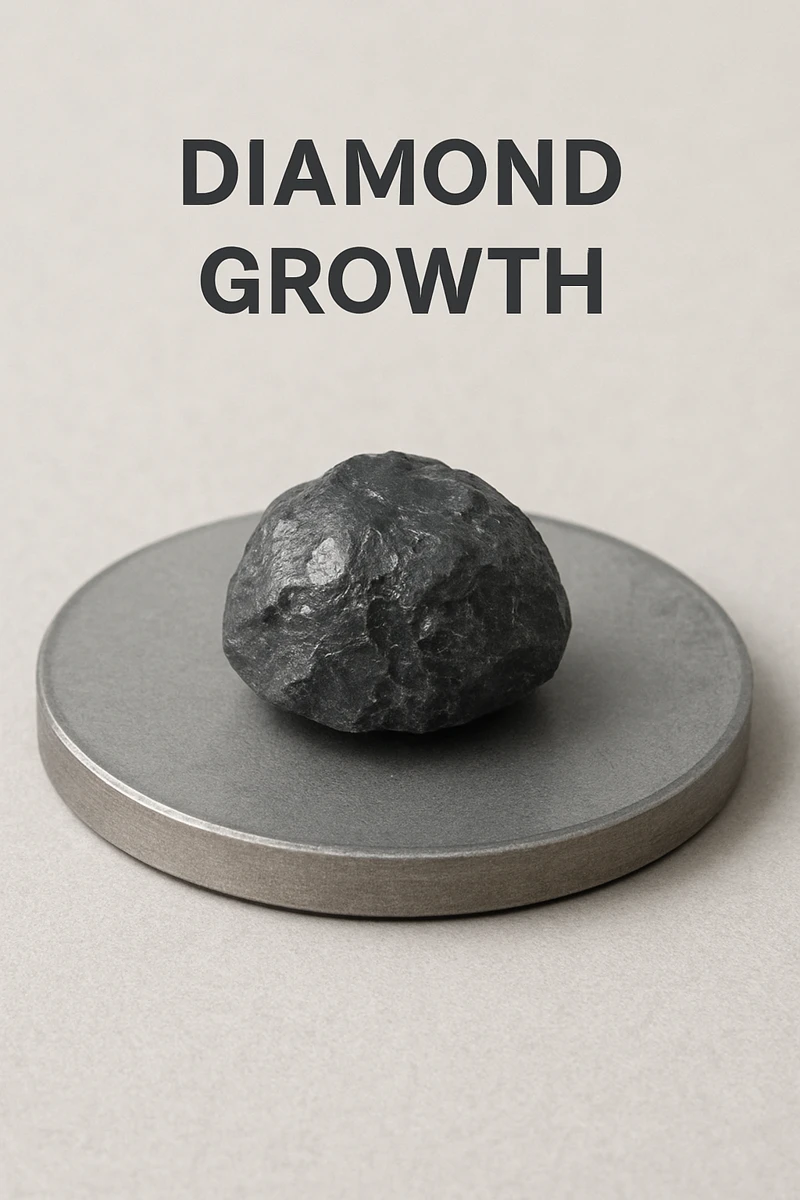
Diamond Seed CVD Growth Chamber

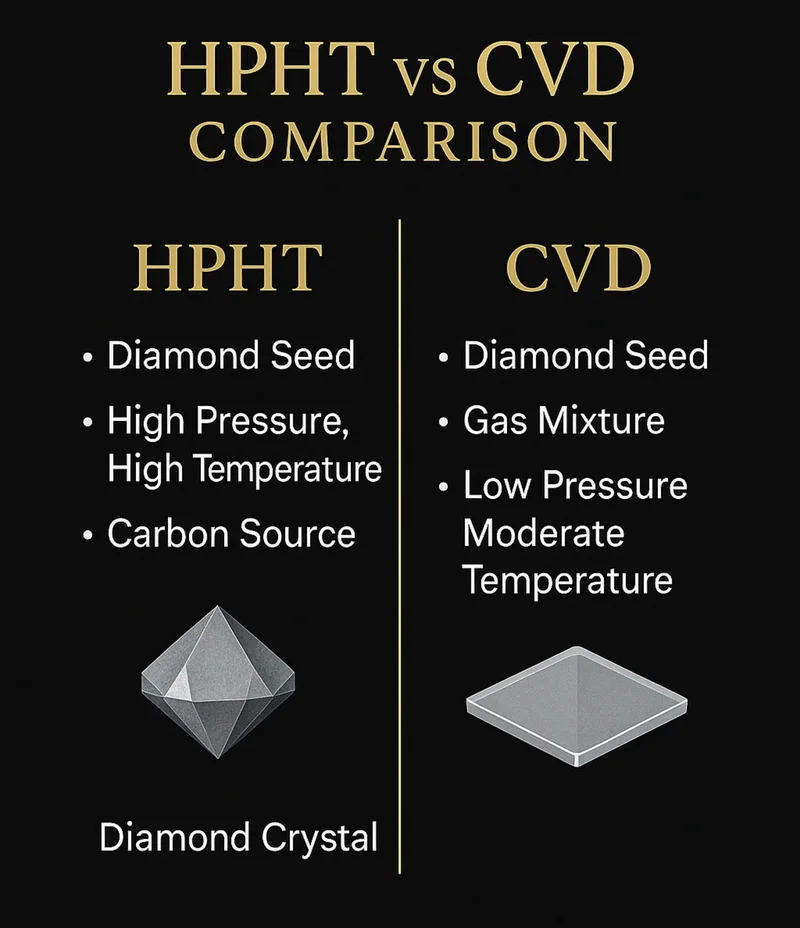
Lab-grown diamonds are real diamonds — chemically, physically, and optically identical to mined diamonds. They're created using two advanced methods: CVD (Chemical Vapor Deposition) and HPHT (High Pressure High Temperature). Both start with a tiny diamond seed and grow a full crystal over weeks.

Diamond Seed — A thin slice of diamond crystal serves as the foundation
CVD Process — Carbon gas bonds to seed in a vacuum chamber at 800-1000°C
HPHT Process — Extreme pressure (60,000 atm) and heat (1500°C) crystallize carbon
Result — A rough diamond crystal, ready for cutting and polishing

Sustainability: Lab-grown diamonds use significantly less land, water, and energy than mining operations, making them a more environmentally responsible choice.

Full Creation Guide →
Cutting & Polishing
The transformation from rough crystal to brilliant masterpiece
+
Diamond Polishing

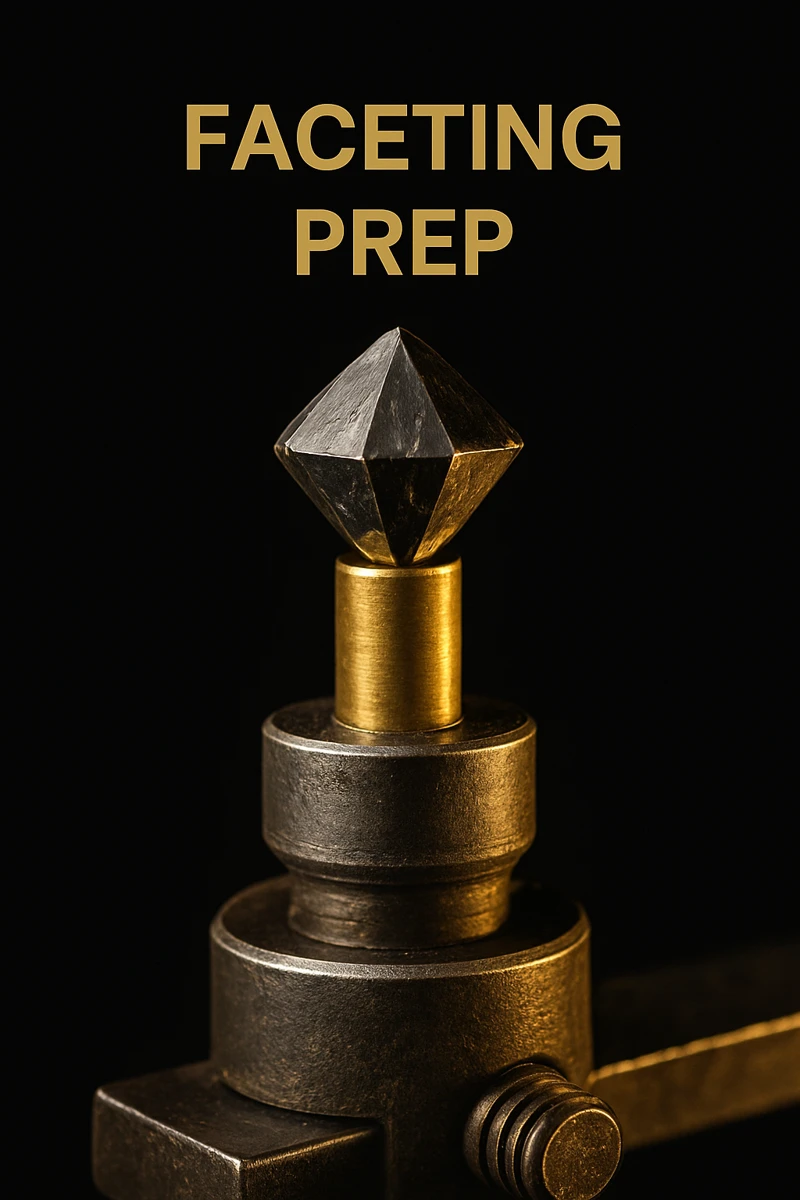
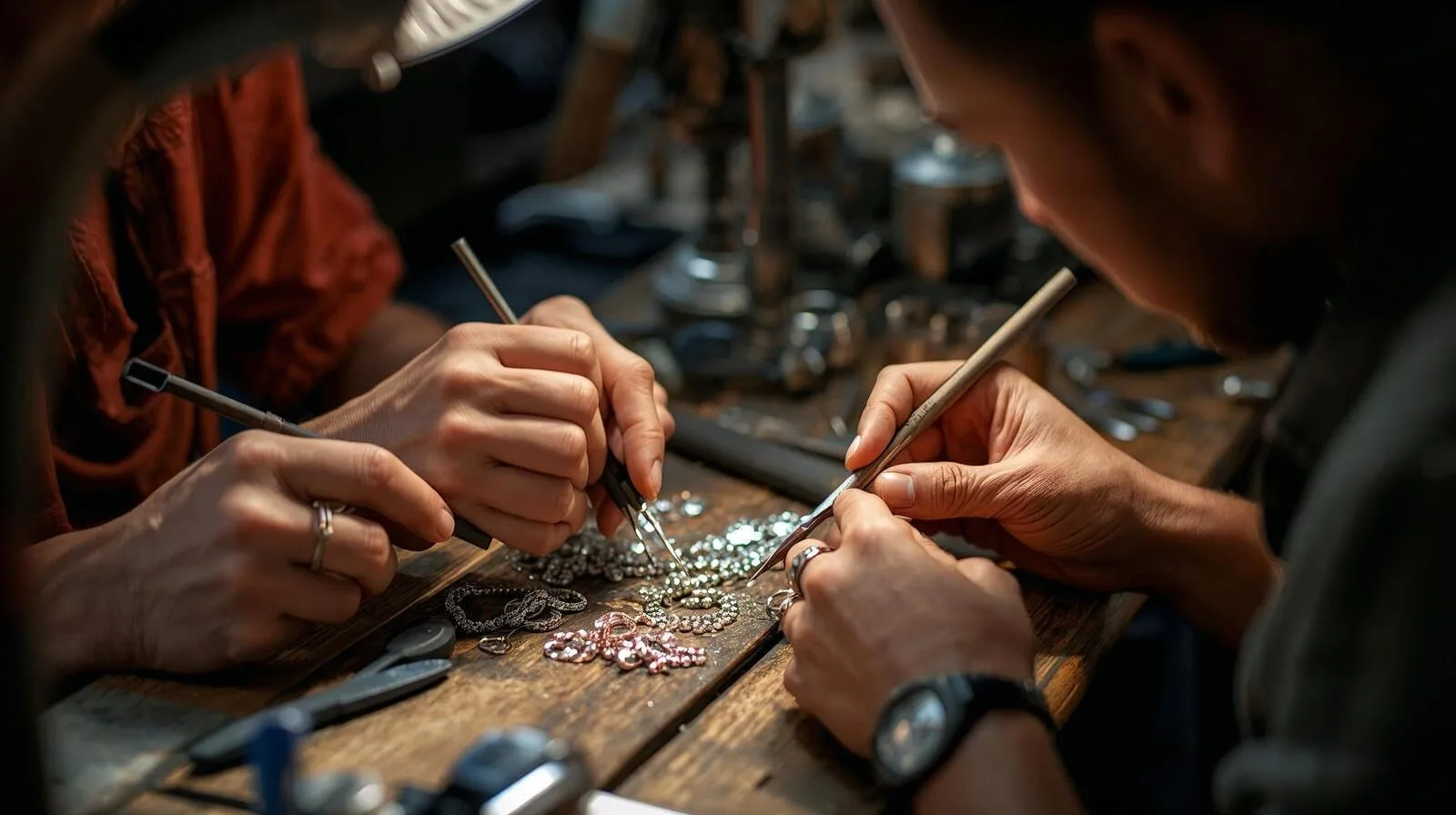
The journey from rough crystal to finished diamond takes weeks of meticulous craftsmanship. Master cutters use 3D scanning, laser technology, and centuries-old techniques to maximize each stone's brilliance. Every facet angle is calculated to optimize light performance.

Planning & Mapping — 3D scans determine the optimal cut to maximize yield and beauty
Laser Cutting — Precision lasers separate the rough into workable pieces
Faceting — Each facet is ground and polished at exact calculated angles
Final Polish — Ultra-fine polishing creates mirror-smooth surfaces for maximum brilliance
Full Craftsmanship Guide →
IGI Certification
Understanding your diamond certificate and what every grade means
+
IGI Certificate Front IGI Certificate Back

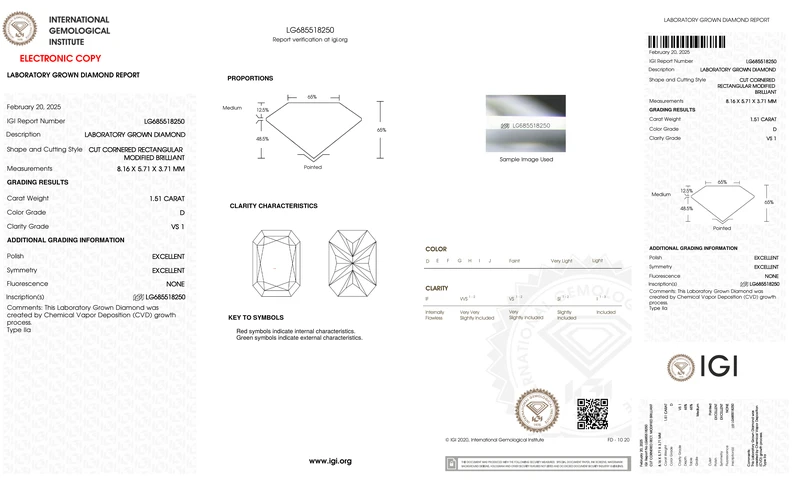
IGI (International Gemological Institute) is the world's leading authority for lab-grown diamond certification, trusted since 1975. Every 2N Diamonds stone comes with a comprehensive IGI report that independently verifies the diamond's quality across all 4Cs.

Full 4C Grading — Cut, Color, Clarity, and Carat independently verified
Clarity Plot — Diagram showing exact location and type of inclusions
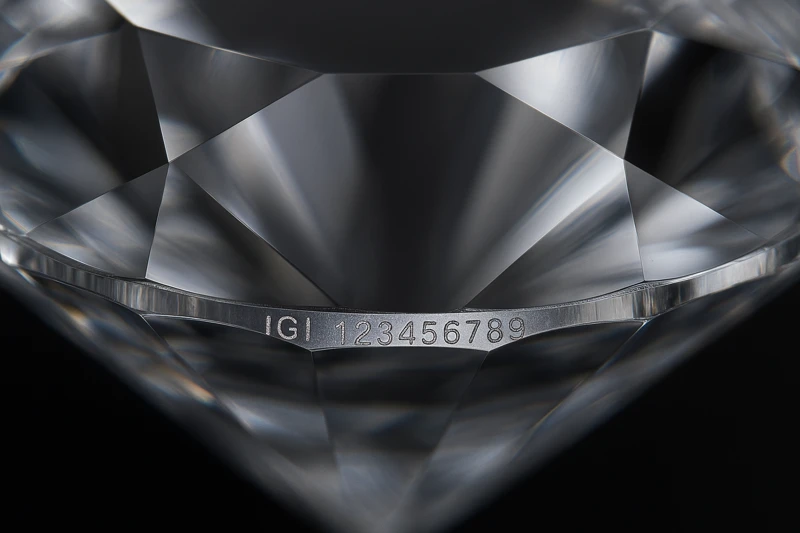
Laser Inscription — IGI report number microscopically engraved on the girdle
Online Verification — Verify any certificate at igi.org

Every Diamond, Certified: At 2N Diamonds, 100% of our diamonds come with IGI certification. No exceptions. Complete transparency is our promise.

Full IGI Guide →
Fluorescence
Why some diamonds glow under UV light and how it affects value
+
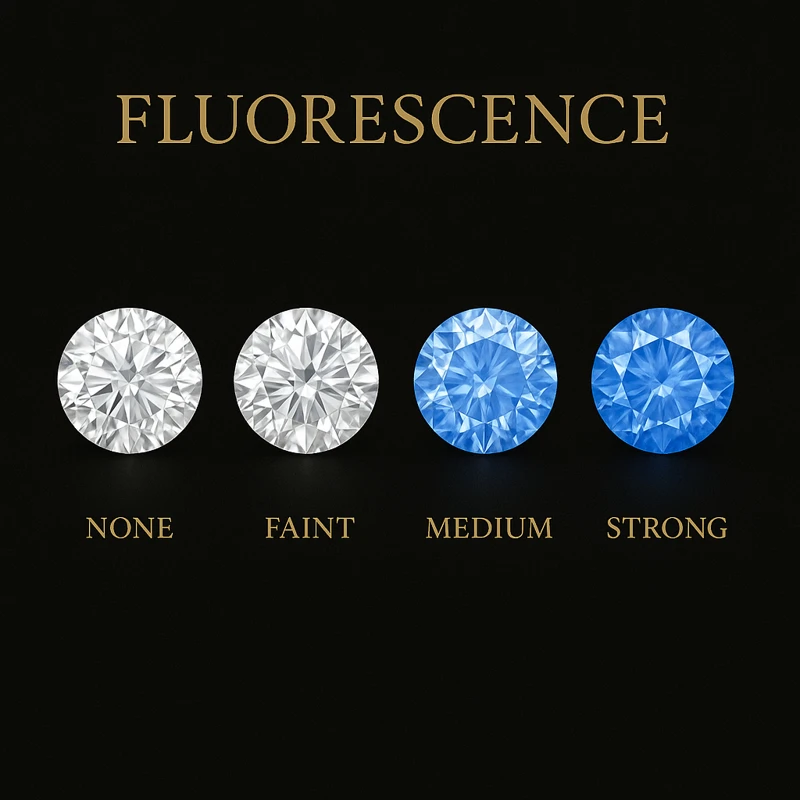
Diamond Fluorescence Colors

Fluorescence is the visible light some diamonds emit when exposed to ultraviolet (UV) light. About 25-35% of diamonds exhibit some degree of fluorescence, most commonly in blue. It's caused by trace elements within the diamond's crystal structure.

None — No fluorescence under UV. Standard and predictable appearance
Faint / Medium — Subtle glow. Can make lower-color diamonds appear whiter
Strong / Very Strong — Pronounced glow. May create hazy appearance in rare cases
Value Impact — Strong fluorescence in D-F may reduce value; in G-J it can add appeal
Full Fluorescence Guide →
Lab-Grown vs Mined Diamonds
Same diamond, different origin — compare the science, ethics, and value
+
Lab-Grown vs Mined Diamonds Environmental Benefits

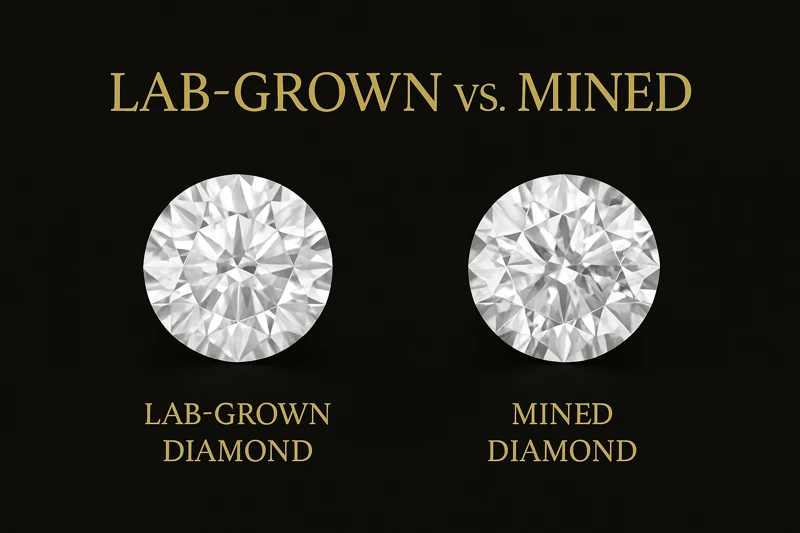
Lab-grown and mined diamonds are chemically, physically, and optically identical. Both are pure crystallized carbon with the same hardness (10 on Mohs scale), refractive index, and fire. The only difference is origin: one forms deep within the Earth over billions of years, the other is created in advanced laboratories in weeks.

Same Chemistry — Pure carbon, identical crystal structure, same physical properties
60-80% Savings — Lab-grown delivers dramatically better value per carat
Ethical & Sustainable — No mining, lower environmental impact, full traceability
IGI Certified — Same rigorous grading standards applied to both types

The 2N Diamonds Advantage: With lab-grown diamonds, your budget goes further. Get a bigger, better-quality diamond for the same price — or save significantly on the same quality you'd choose in mined.

Full Comparison Guide →

Ready to Find Your Perfect Diamond?

Now that you understand diamond quality, explore our curated IGI-certified collection at near-manufacturer pricing.

◆ Explore Diamonds ◆ Fine Jewelry ◆ Speak to a Concierge
↑ Return to Top